July 15, 2021

Are You Supposed to Caulk Around a Toilet or Not?

Author

Update First Last in Content -> Business Text -> First Last field

Date

July 15, 2021

Share

One of the most frustrating debates in plumbing is whether or not you should caulk around the base of a toilet. Both sides of the argument have valid points, and both professional plumbers and building inspectors tend to choose one side or the other based mainly upon personal views.


But when it comes to installing a toilet yourself, what is the best answer?


Arguments Against Caulking

There are three major reasons why many professionals are against caulking the base of a toilet. These concerns are backed by experience and have merit, although there are arguments to counter each of these claims.


Easier Repairs

Caulking around the base of a toilet means an extra barrier to break through on top of the bolts and wax seal. On some floors, this may result in damage if removed improperly. It may also stain or leave smear marks if applied improperly, which can be difficult to remove without damaging the floor’s surface.


Water Retention

Perhaps the largest argument against caulking is the fact that leaks are less likely to be noticed. There is always the risk of a small leak under your toilet going unnoticed, but larger leaks generally result in visible water seepage out onto the floor. Caulking the base means water will be trapped inside and cause further damage before the issue is discovered.


Wax Seals

The inclusion of a seal inside the toilet is a third claim often made against caulking. The seal may be made of rubber or wax, and generally, prevents any leakage from the base. While many argue that a wax seal has a more limited function than caulking, the fact remains that some plumbers consider wax rings to be a sufficient answer to plumbing code requirements.


Arguments for Caulking

There are three goods arguments for caulking around the base of a toilet, as well as one argument that is questionable but included for completion’s sake. The other three arguments all make valid claims, although two of them do include counter-arguments.


Aesthetics

While not a strong argument, especially with colored models, many experts claim that toilets will look better if there’s no visible seam at the base. This benefit does not pose a very strong argument, but is sometimes used to persuade homeowners. As it isn’t common to focus your attention at the base of a toilet, aesthetic merit is likely not enough to make a case.


Moisture Prevention

While opponents are worried about leaks becoming invisible, those who support caulking argue that it has the opposite effect as well. By caulking around the base, water from outside the toilet cannot creep under the toilet. This means that it becomes less likely the floor beneath your toilet will become damaged in the event of an overflowing sink or other cause of bathroom flooding.


Plumbing Codes

There are two major plumbing codes which require caulking around the base of a toilet. These codes are not always enforced, although some home inspections will mark it as a necessary home repair. The two codes in question are:

  • International Plumbing Code (2012 edition), Chapter 4, Section 405.5 states: Joints formed where fixtures come in contact with walls or floors shall be sealed.
  • Uniform Plumbing Code (2009 edition), Chapter 4, Section 407.2 states: Where a fixture comes in contact with the wall or floor, the joint between the fixture and the wall or floor shall be made water-tight.


Opponents of caulking claim that the wax ring already performs this job, while supporters believe that the ring is insufficient for proper compliance.


Uneven Surfaces

One argument which most experts agree upon is that caulking the base of a toilet to an uneven floor will improve stability and greatly reduce the risk of a leak forming. Placing toilets on an uneven floor prevents a proper seal and the unit will work itself even more loose over time. This may damage or break the wax seal, resulting in leaks.


Taking The Middle Ground

While seemingly the road least traveled, there is a middle ground that takes both arguments and weighs the answer on a case-by-case basis. Many professionals will default to this option unless required to follow one specific route by their employer or local code enforcement.


Those who choose the middle ground make the following considerations when working in a home:

  • Is the toilet on an uneven surface? If so, the base should always be caulked.
  • Will the bathroom be prone to flooding due to children or other factors?
  • When caulking the base, a small gap will usually be left at the back to allow a homeowner to spot leaks from under the toilet.


Source: https://homereference.net/caulking-around-toilet/

Chrome bathroom faucet with running water into a white sink.
October 17, 2025
Protect your older home’s charm and efficiency with expert plumbing contractors. Tim Rausch Plumbing LLC modernizes systems while preserving history.
Plumber repairs a bathroom sink, using a wrench.
June 17, 2025
If you have a plumbing inspection coming up, here's what you need to do to plan before your local plumbing contractor visits your home.
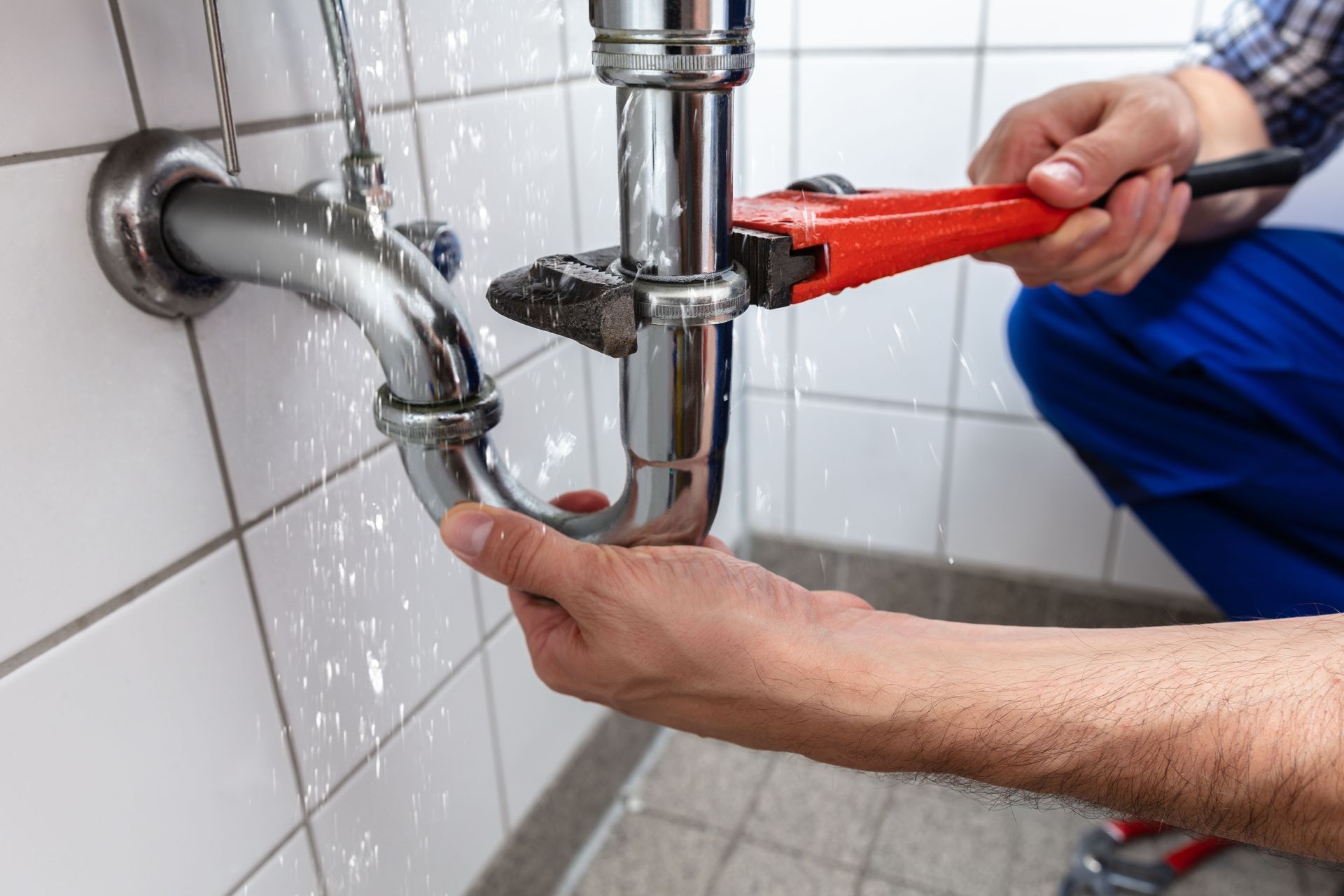
Plumber with wrench fixing a leaky pipe under a sink. Water is spraying.
July 22, 2024
When we ignore issues that need plumbing service, they often get to be much larger than what they originally were. Read on for what can happen!
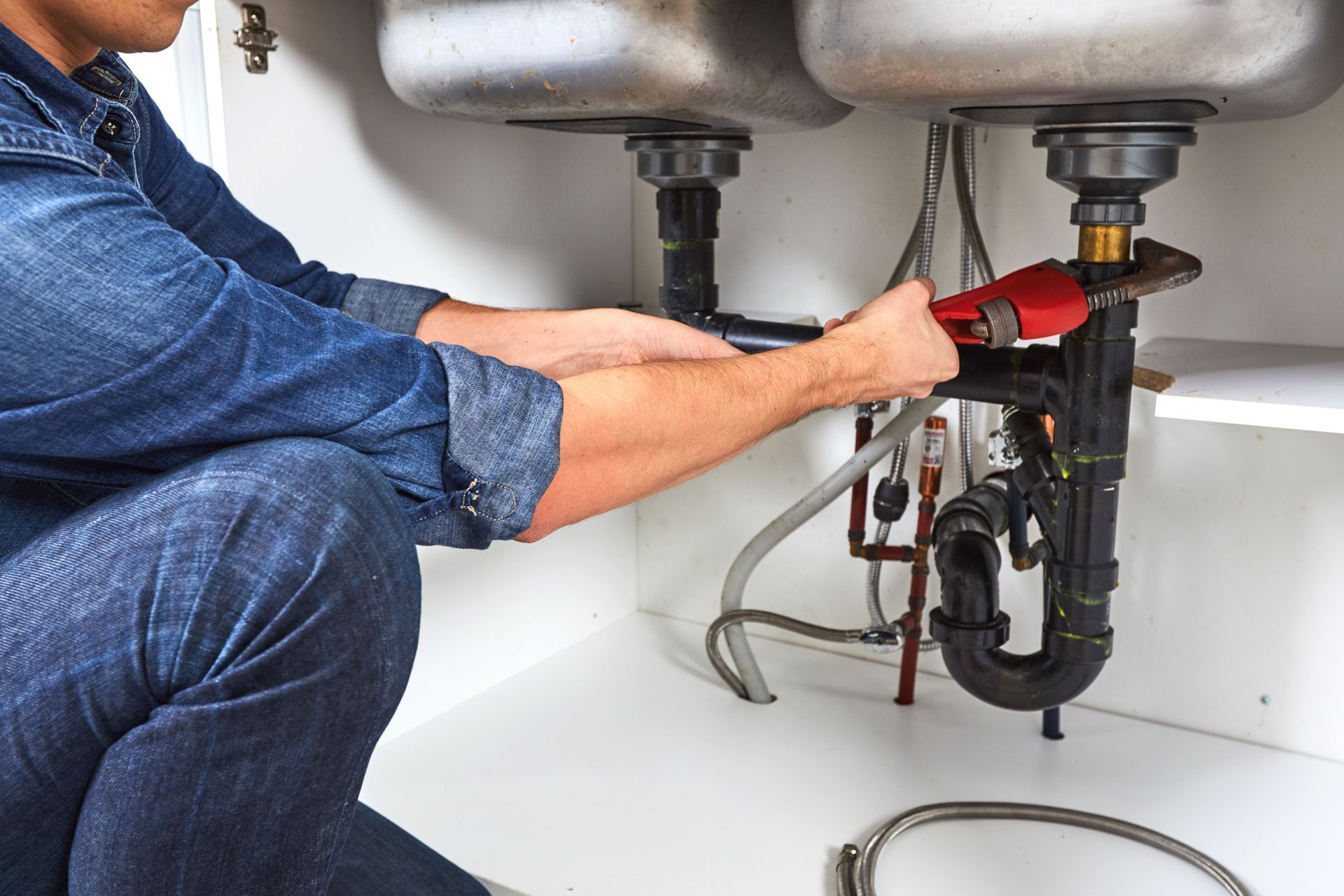
Person using a wrench to work on plumbing under a kitchen sink.
February 13, 2024
Are you experiencing plumbing issues? Read more to identify the signs you need to call a professional plumbing contractor.
Bright white kitchen with a wooden island, stainless steel appliances, and gray walls.
September 27, 2022
A leaking refrigerator can feel like a drastic enough situation that you may think it's time to shop for a new fridge. But a leaking refrigerator doesn't necessarily mean that your fridge is on its way out .
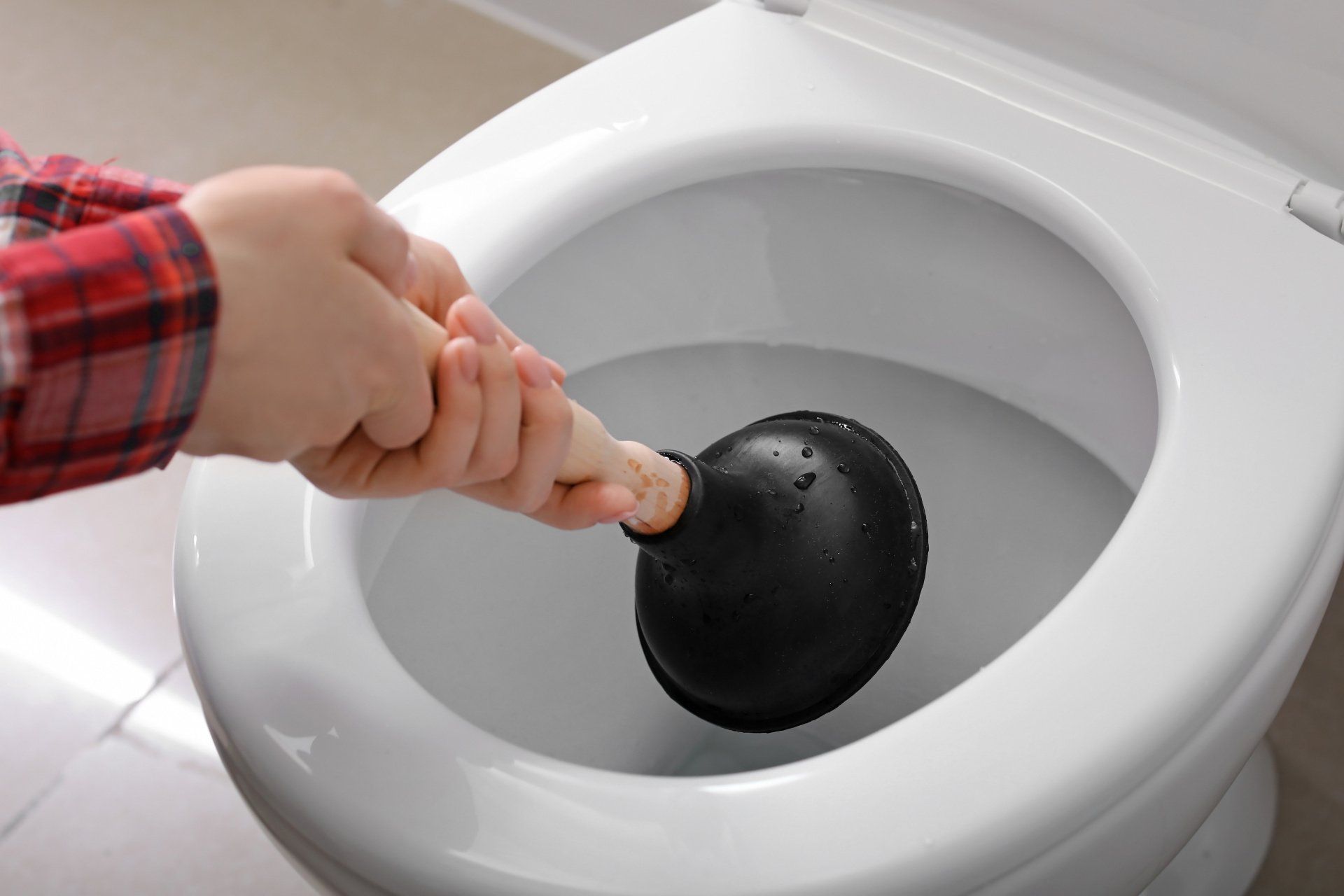
Person plunging a white toilet with a black plunger.
September 27, 2022
An overflowing toilet is a relatively common problem that many people have had to deal with, but the commonality of this issue doesn't mean that it isn't a serious situation that needs to be handled quickly. The water from an overflowing toilet can soak into wood cabinetry, seep into the walls, or damage the floorboards, making it easier for mold, mildew, and rot to spread throughout the infrastructure of your home.
Hand turning dial on a washing machine, tools and level on shelf above.
September 27, 2022
A washing machine is an essential appliance to ensure that towels, linens, clothes, and bedding are regularly washed and sanitized. Whether you use a professional cleaner to launder your clothes, take laundry to a local laundromat, or use a personal washing machine in the comfort of your home, it's necessary for your personal hygiene to have clean clothes to wear to school, work, or when you meet up with friends.
Plumbing tools: shower head, faucet, valves, hoses, and sealing materials on a dark gray surface.
July 12, 2022
On the side or top of your water heater tank is a valve connected to a metal or plastic discharge tube pointing downward. The valve is called a T&P valve, or TPR valve, for "temperature and pressure relief."
Basement with white brick walls, open doors, water heater, and various pipes.
July 12, 2022
Boilers and water heaters are important to the heating and water supply operations of the home. While they provide different services to the house—one for space heating , the other for domestic water usage—there is some slight overlap in the form of combined boiler/heater devices.
Empty room with brick walls, two windows, and a shiny, wet concrete floor.
March 29, 2022
Most of the time, your home’s sump pump works efficiently and invisibly in the background. In areas with much groundwater, the sump pump's regular on and off sounds merge with the tapestry of your home life.

Show More