July 15, 2021

Why You Should Caulk Around Your Toilet

Author

Update First Last in Content -> Business Text -> First Last field

Date

July 15, 2021

Share

WHY YOU SHOULD CAULK AROUND YOUR TOILET

To caulk or not to caulk is the question anyone installing a new toilet will be bound to ask themselves or their plumber. Even the plumbers are divided on whether you should caulk around the base of your toilet or you shouldn’t.


The controversy about caulking or not caulking your toilet to the floor revolves around the likelihood of your toilet leaking from the base. When your toilet is leaking from the base, it is easy to notice it without toilet caulk and hence remedy the situation before it becomes an expensive bathroom remodel.


Is caulking the toilet without benefit though? And what can you do to ensure even if the toilet is caulked, you can still notice water on the toilet base if the toilet is leaking?


Let us now see why should not caulk the toilet versus why you should caulk the toilet to the floor.


WHY YOU SHOULD NOT CAULK THE TOILET AROUND THE FLOOR.

The proponents of not caulking around the toilet is to avoid trapping of water in the toilet incase the toilet wax ring is leaking. A toilet without caulk will easily let the water flow out and collect around the base of the toilet. It would therefore be easy to notice the leak.


Why is it necessary to notice the toilet leak way in advance? If the leak go unnoticed and your subfloor is wooden, then it will start rotting gradually which will in the end cost you a lot of money to remodel your bathroom.


That sounds really good so far. But is it true? The truth is that although you can notice a toilet leaking by seeing water around the toilet base, most toilets leak through the floor around the closet flange and rarely onto the floor.


You could therefore notice a leaking toilet from the basement when the bathroom floor is still dry. This is where the proponents of not caulking the around the toilet fail to understand.


WHY YOU SHOULD CAULK AROUND YOUR TOILET

1. FOR AESTHETICS

A caulked toilet looks way better than one that is not. There is always a small gap between the base of the toilet and the bathroom floor especially when the floor is not even.

When you have a wobbly rocking toilet, one of the ways of stabilizing it is by shimming it. A shimmed toilet will always have a gap between it and the floor. Caulking your toilet in this case looks like the only reasonable thing to do.

Caulking the around the base of your toilet gives you a way of integrating your floor to the toilet. This gives your bathroom a seamless design which would otherwise look broken if the toilet is not caulked.


2. PLUMBING CODE REQUIREMENTS

International building codes require that a fixture shall be made watertight where it comes in contact with the wall or floor. One way of making sure this code is adhered to is by caulking around the toilet.

This code is however one of those hardly followed in the construction industry.


3. CAULK SECURES TOILET TO THE FLOOR

Caulking a toilet helps to hold it firmly on the floor. Most of the toilets that starts to wobble soon after installation are in most cases normally not caulked.


Although the toilet is attached and secured to the floor using 2 bolts hooked on a toilet flange, caulk provides extra support all around the toilet and therefore the toilet is firm on the ground.

4. CAULKING PREVENTS FOUL ODOR

A toilet that is not caulked will have a slight gap between its base and the toilet floor. Anytime you are leaning your floor dirty water will always find a way of getting underneath the toilet.


It is always a known fact that young boys struggle to aim at the toilet bowl. If your son or nephew therefore goes off target, some of the urine will accumulate underneath the toilet which will after a while give a foul odor


5. EASE OF CLEANING

A caulked toilet base is connects seamless to the bathroom floor. It is therefore is easy to mop the bathroom floor without worrying of what is trapped underneath the toilet. With a toilet which is not caulked you must always take your time to clean the crevice at the bottom of the toilet.


Some people have actually have bad experiences with toilets that are not caulked. Cockroaches have found the gap between the bas of the toilet as a suitable place to call their homes. It is not something you would want to happen especially when you have guests over.


SHOULD YOU THEN CAULK YOUR TOILET?

The best way to go about it is to caulk around your toilet base and only leave a small area at the back of the toilet. It is hard enough to caulk there anyway. This way you will be able to notice water on the bathroom floor should your toilet be leaking.


If you would like a suggestion on what caulk to buy for your toilet,  this is the best caulk  for your toilet. Check out on Amazon using that link.


CONCLUSION

The debate about caulking around the toilet or not is not ending any time soon. The benefits of caulking the toilet outweigh those of not caulking by far. In my opinion, those who advocate for not caulking around speak from a point of misinformation more than information. Always caulk your toilet.


FAQS

  1. Should I go with a white or clear caulk for my toilet?

Most toilets are white and most bathrooms floors are white. Always chose white. White caulk will give your bathroom floor a seamless integration to the toilet which is what you want for your bathroom. Apart from time that, clear caulk tends to turn into a yellow color with time.


2. How do you remove old coke from the base of a toilet?

The first thing you do is to apply a caulk remover around the toilet base to soften the caulk. An example of this is the 3M caulk remover. Wait for around 2 to 3 hours then use putty knife to cut around through the caulk. Alternate between scrapping with a putty knife and removing small caulk pieces and a needle-nose pliers.


3. Why is the caulk around my toilet turning brown?

If you notice the caulk around the base of your toilet start to turn brown, it means your toilet has a wax ring which is leaking. As a result, human waste especially urine is decolorizing the normally white caulk. The solution to this is to remove the toilet and put a new wax ring. You could also a rubber seal instead of a wax ring which is less gross.


Source: https://toilethaven.com/2020/03/21/caulk-around-a-toilet/

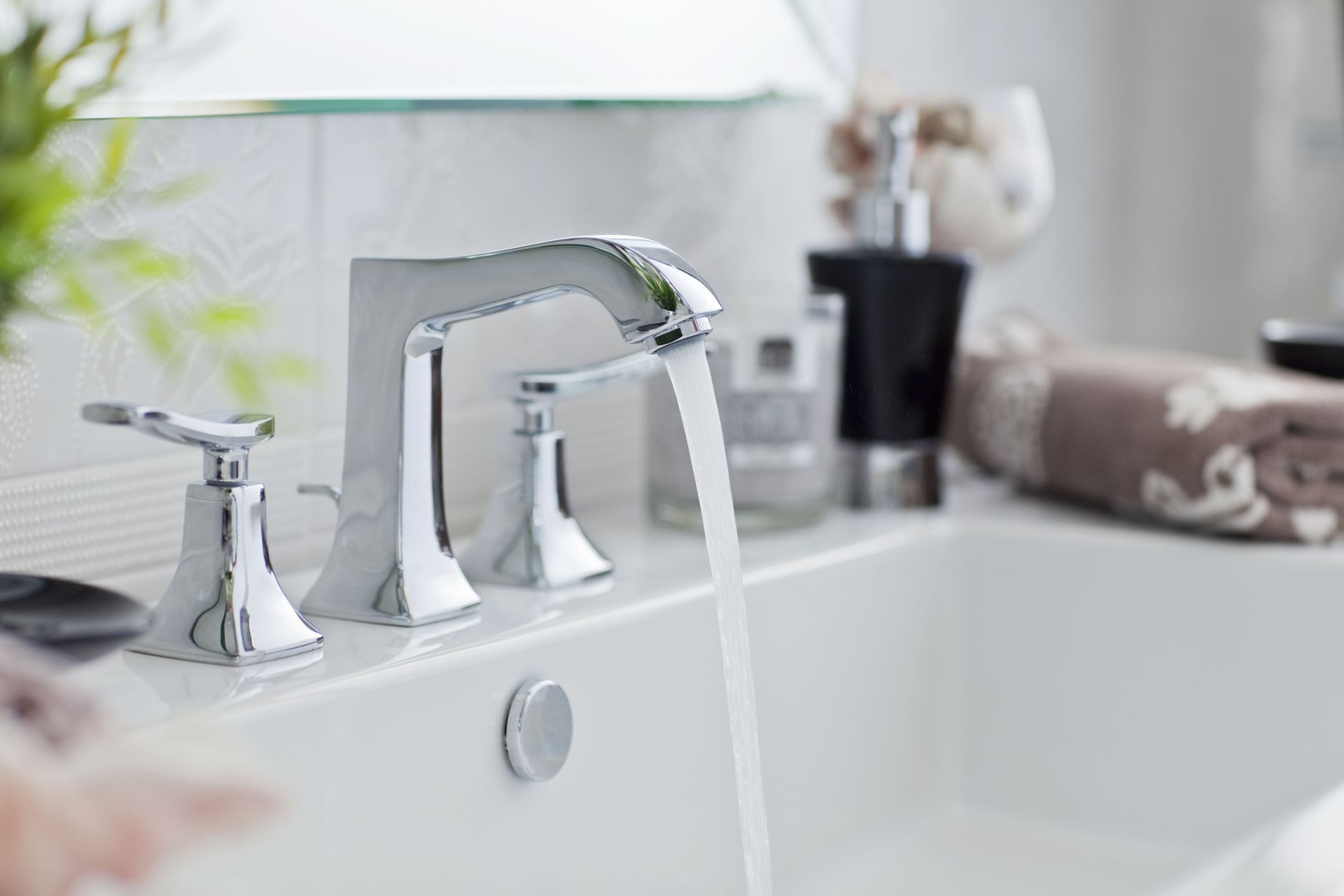
Chrome bathroom faucet with running water into a white sink.
October 17, 2025
Protect your older home’s charm and efficiency with expert plumbing contractors. Tim Rausch Plumbing LLC modernizes systems while preserving history.
Plumber repairs a bathroom sink, using a wrench.
June 17, 2025
If you have a plumbing inspection coming up, here's what you need to do to plan before your local plumbing contractor visits your home.
Plumber with wrench fixing a leaky pipe under a sink. Water is spraying.
July 22, 2024
When we ignore issues that need plumbing service, they often get to be much larger than what they originally were. Read on for what can happen!
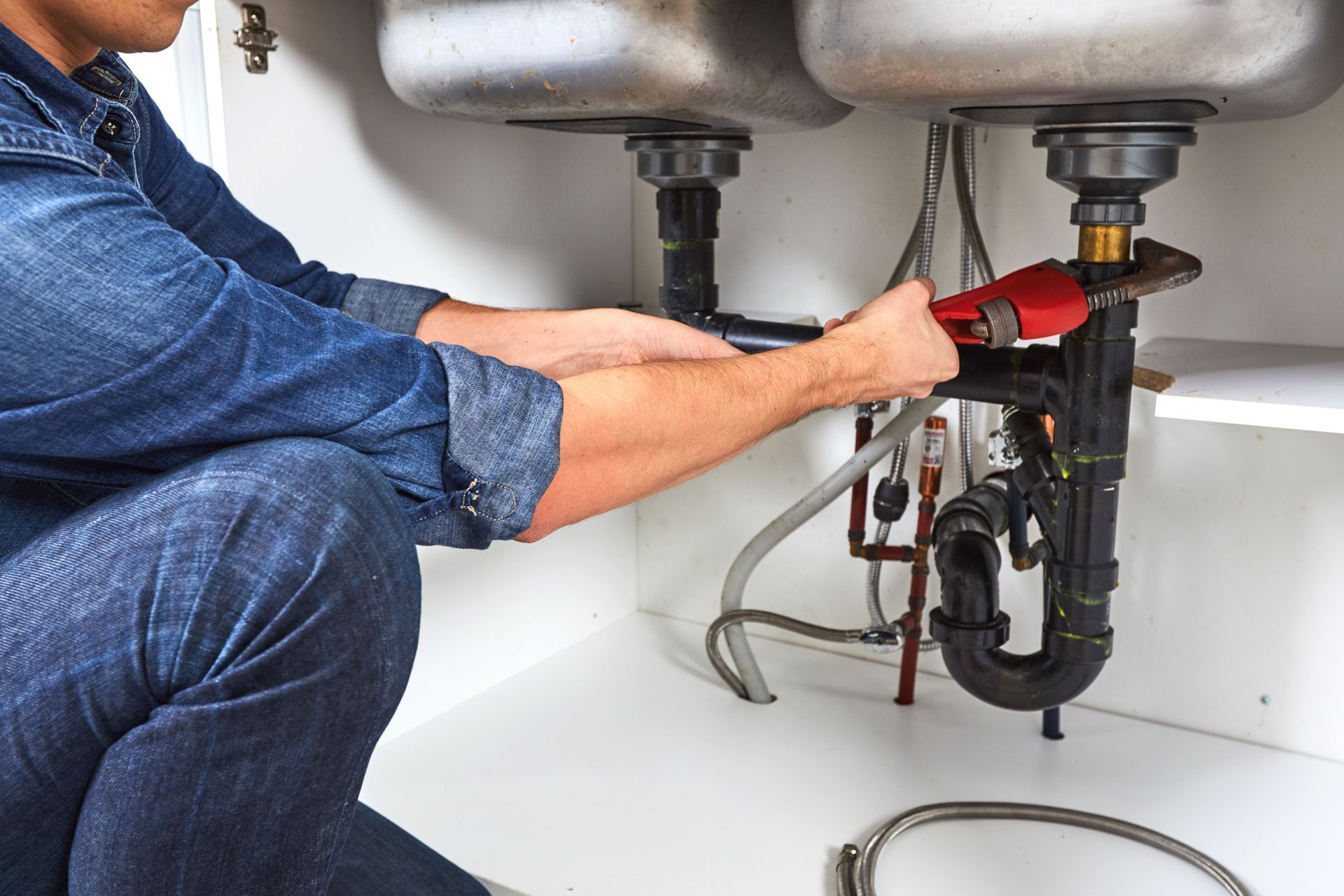
Person using a wrench to work on plumbing under a kitchen sink.
February 13, 2024
Are you experiencing plumbing issues? Read more to identify the signs you need to call a professional plumbing contractor.
Bright white kitchen with a wooden island, stainless steel appliances, and gray walls.
September 27, 2022
A leaking refrigerator can feel like a drastic enough situation that you may think it's time to shop for a new fridge. But a leaking refrigerator doesn't necessarily mean that your fridge is on its way out .
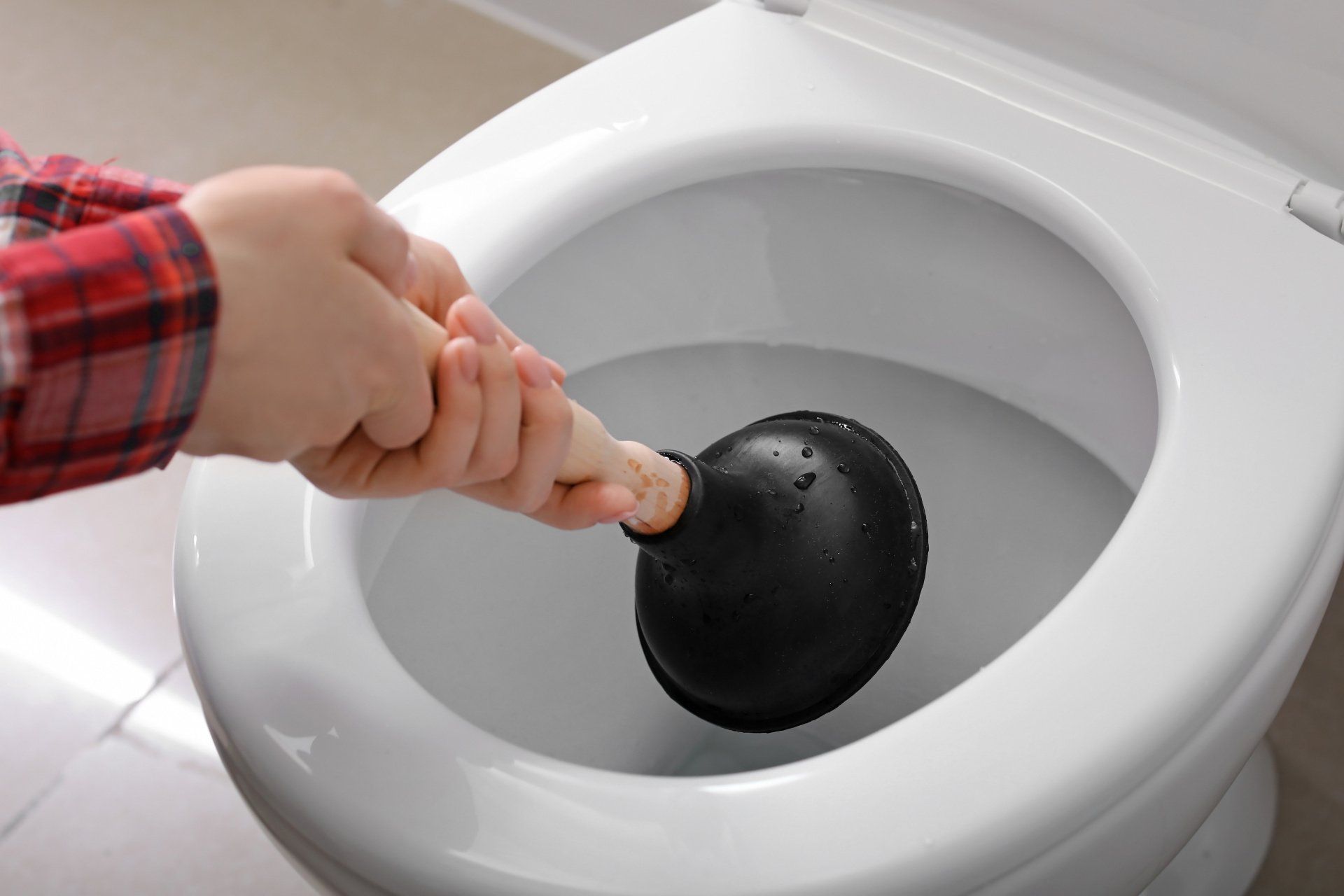
Person plunging a white toilet with a black plunger.
September 27, 2022
An overflowing toilet is a relatively common problem that many people have had to deal with, but the commonality of this issue doesn't mean that it isn't a serious situation that needs to be handled quickly. The water from an overflowing toilet can soak into wood cabinetry, seep into the walls, or damage the floorboards, making it easier for mold, mildew, and rot to spread throughout the infrastructure of your home.
Hand turning dial on a washing machine, tools and level on shelf above.
September 27, 2022
A washing machine is an essential appliance to ensure that towels, linens, clothes, and bedding are regularly washed and sanitized. Whether you use a professional cleaner to launder your clothes, take laundry to a local laundromat, or use a personal washing machine in the comfort of your home, it's necessary for your personal hygiene to have clean clothes to wear to school, work, or when you meet up with friends.
Plumbing tools: shower head, faucet, valves, hoses, and sealing materials on a dark gray surface.
July 12, 2022
On the side or top of your water heater tank is a valve connected to a metal or plastic discharge tube pointing downward. The valve is called a T&P valve, or TPR valve, for "temperature and pressure relief."
Basement with white brick walls, open doors, water heater, and various pipes.
July 12, 2022
Boilers and water heaters are important to the heating and water supply operations of the home. While they provide different services to the house—one for space heating , the other for domestic water usage—there is some slight overlap in the form of combined boiler/heater devices.
Empty room with brick walls, two windows, and a shiny, wet concrete floor.
March 29, 2022
Most of the time, your home’s sump pump works efficiently and invisibly in the background. In areas with much groundwater, the sump pump's regular on and off sounds merge with the tapestry of your home life.

Show More