
July 12, 2022

What a T&P Valve Is and How to Fix It | The Spruce

Author

Update First Last in Content -> Business Text -> First Last field

Date

July 12, 2022

Share

On the side or top of your  water heater  tank is a valve connected to a metal or plastic discharge tube pointing downward. The valve is called a T&P valve, or TPR valve, for "temperature and pressure relief."

If all goes well, a TPR valve never gets used intentionally except during testing. But in the event of  an emergency  or malfunction, this valve is of critical importance. It can potentially prevent your water heater from exploding. Understanding how a T&P valve works will help you keep your water heater in tip-top shape and prevent possible damage to your home.


T&P Valve

A T&P valve is a valve with an attached tube located on the outside of a water heater. The valve provides relief to the water heater if the pressure exceeds normal operating limits, usually 150 psi.


How a T&P Relief Valve Works

Mandated by all plumbing codes, the T&P valve relieves excess temperature and  pressure  in a water heater if either reaches a critical point. A water heater is a closed system, and  thermal expansion  is an inescapable fact of both normal and abnormal water heater functioning.


In a standard water heater, the water is heated by a gas burner or electric elements. As the  water reaches temperatures  between 120 and 140 degrees Fahrenheit, both the water and the water heater's metal  tank  expand.

Some  expansion  is normal, but too much expansion is unsafe. When the temperature reaches 210 degrees or the pressure reaches 150 psi (pounds per square inch), a properly functioning T&P valve opens and expels hot water and steam through the discharge tube.

How a T&P Valve Is Installed

When you purchase a water heater, the T&P valve generally comes pre-installed. A threaded inlet is welded onto the side of the tank. This inlet cannot be removed or replaced. The T&P valve is screwed clockwise onto that inlet.

While those items are already in place, the discharge tube running downward along the side of the tank is not pre-installed.


How to Install or Replace a T&P Valve Discharge Tube

Installing or replacing the discharge tube is easy, fast, and there is no need to power down or drain the water heater.

  1. To install the discharge tube, run a strip of  Teflon tape  clockwise around the threaded end of the PVC discharge tube.
  2. Screw the discharge tube onto the T&P valve, first by hand.
  3. Follow by tightening the tube fully with a wrench. Be careful not to strip or break off the T&P valve or discharge tube by tightening it too much.
  4. The discharge tube should point straight downward, terminating a few inches above the floor.

It is recommended that you place a water heater pan below the water heater to collect slow drips or to catch emergency outflows of water.


[WARNING]

Because the T&P valve is rarely used, mineral build-up can cause it to stiffen over time. This is a significant safety hazard because, in the event of a temperature or pressure spike, the T&P valve may not open as it should and the water heater might explode.


How to Test a T&P Valve

Water heater manufacturers recommend  regular checking  of the T&P valve. Wear closed-toe shoes to avoid scalding. Except for a bucket, no tools are required.

  1. Find T&P Valve
  2. Before you begin, make sure you know where the shut-off valve of your tank is. It's usually located on the cold water feed, on the right side inlet on top of the tank.
  3. Place Bucket
  4. Place a bucket below the discharge tube.
  5. Check Attachment
  6. Make sure that the discharge tube is firmly attached. If it is loose, tighten it by screwing clockwise.
  7. Discharge Water
  8. Briefly pull back on the T&P valve's metal lever to cause a small amount of water (about 1/4 cup) to discharge into the bucket.
  9. Release Lever
  10. Release the lever and let it snap back to its original position. If the lever does not snap back into place, the valve is faulty and must be replaced.


How to Fix a T&P Valve

In most cases, there are two problems you might have to address with the T&P valve: a valve that leaks by constantly dripping or a valve that sticks and doesn't open and close properly.


Fix a Leaky T&P Valve

When a T&P valve is  leaking , it may be due to the valve not being properly seated in the threaded opening of the tank. This is especially likely if the leaking occurs immediately after an old valve is replaced. This can be remedied by shutting off the water heater and letting it cool down completely, then removing and rethreading the valve into the tank's opening.

If the valve is leaking due to dirt or sediment trapped in the relief port, pull the metal spring lever back again and discharge water into the bucket. Once the lever snaps back again, if the water fails to stop completely, shut turn the gas valve to the off position and shut the water off to replace the valve.


[WARNING]

A water heater that periodically discharges hot water and steam from the T&P valve may be set to a water temperature that is too high. Make sure that the water temperature setting is in the normal recommended range—about 120 degrees Fahrenheit—or no more than about 150 degrees Fahrenheit.


Fix a Sticky T&P Valve

T&P valves can also become stuck either in a downward (closed) or fully extended (open) position. Either condition is a potentially serious problem.

When stuck downward, the valve cannot provide relief if the system reaches maximum pressure. As a result, the water heater tank might rupture. When stuck in a fully extended position, the T&P valve will continually leak water down through the discharge tube, potentially flooding the home.

The stickiness of the valve can sometimes be remedied by simply opening and closing the lever several times. Jiggle the T&P valve by gently pulling the lever towards you. Much like jiggling a toilet handle, this action may be enough to  unstick  the valve. If this does not fix the problem, replace the valve.


Safety Considerations

In most cases, the T&P valve will last as long as the water heater itself, and fixes are easy if you perform annual testing to catch problems early.

However, some caution is necessary whenever working with a water heater, because the T&P valve can become  damaged  if the water heater has exceeded maximum pressure or temperature levels. If you suspect a  pressure-related problem  with your water heater tank,  hire a licensed plumber  to have the water heater inspected.


Source: https://www.thespruce.com/tandp-relief-valve-hot-water-heater-1825057

Chrome bathroom faucet with running water into a white sink.
October 17, 2025
Protect your older home’s charm and efficiency with expert plumbing contractors. Tim Rausch Plumbing LLC modernizes systems while preserving history.
Plumber repairs a bathroom sink, using a wrench.
June 17, 2025
If you have a plumbing inspection coming up, here's what you need to do to plan before your local plumbing contractor visits your home.
Plumber with wrench fixing a leaky pipe under a sink. Water is spraying.
July 22, 2024
When we ignore issues that need plumbing service, they often get to be much larger than what they originally were. Read on for what can happen!
Person using a wrench to work on plumbing under a kitchen sink.
February 13, 2024
Are you experiencing plumbing issues? Read more to identify the signs you need to call a professional plumbing contractor.
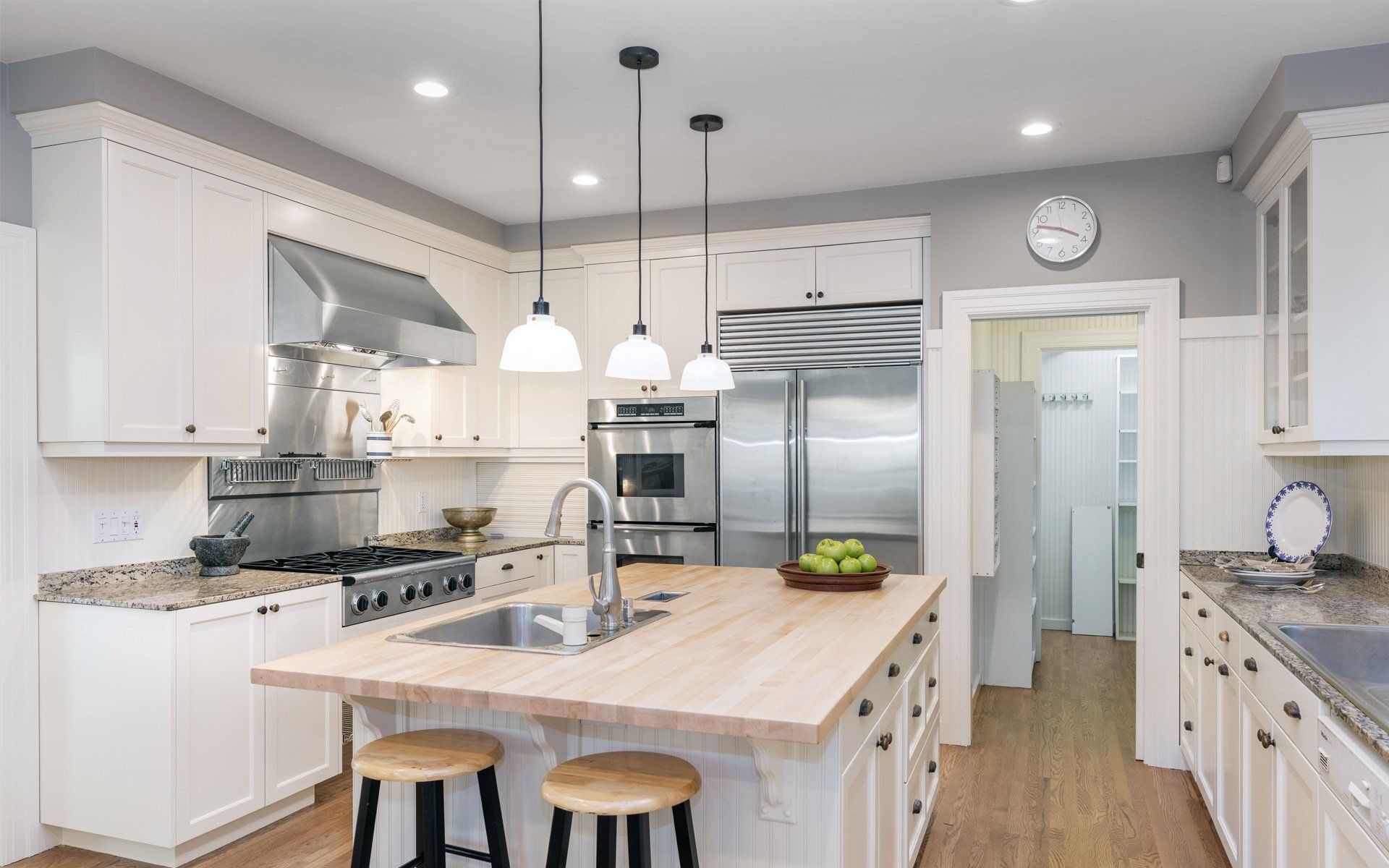
Bright white kitchen with a wooden island, stainless steel appliances, and gray walls.
September 27, 2022
A leaking refrigerator can feel like a drastic enough situation that you may think it's time to shop for a new fridge. But a leaking refrigerator doesn't necessarily mean that your fridge is on its way out .
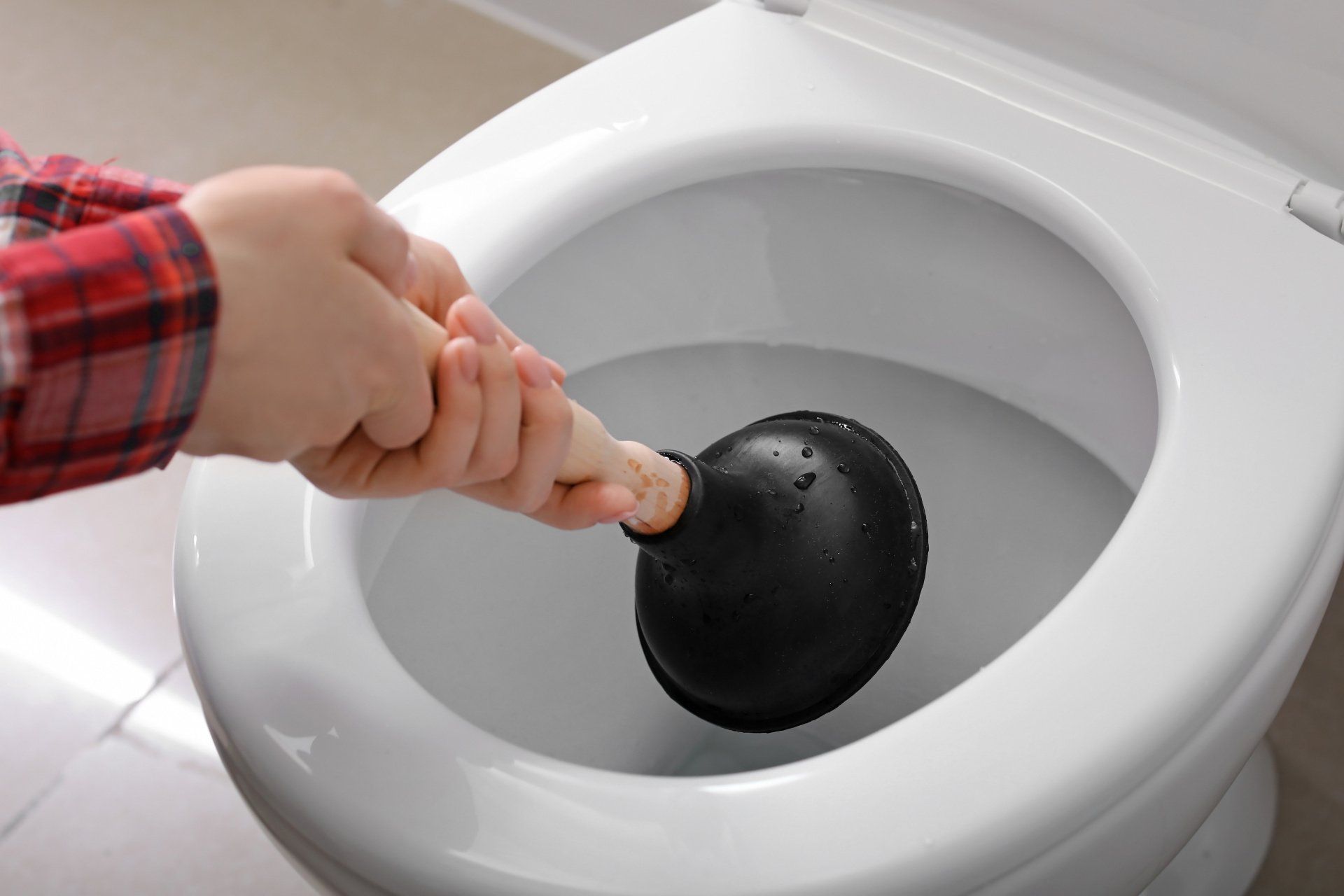
Person plunging a white toilet with a black plunger.
September 27, 2022
An overflowing toilet is a relatively common problem that many people have had to deal with, but the commonality of this issue doesn't mean that it isn't a serious situation that needs to be handled quickly. The water from an overflowing toilet can soak into wood cabinetry, seep into the walls, or damage the floorboards, making it easier for mold, mildew, and rot to spread throughout the infrastructure of your home.
Hand turning dial on a washing machine, tools and level on shelf above.
September 27, 2022
A washing machine is an essential appliance to ensure that towels, linens, clothes, and bedding are regularly washed and sanitized. Whether you use a professional cleaner to launder your clothes, take laundry to a local laundromat, or use a personal washing machine in the comfort of your home, it's necessary for your personal hygiene to have clean clothes to wear to school, work, or when you meet up with friends.
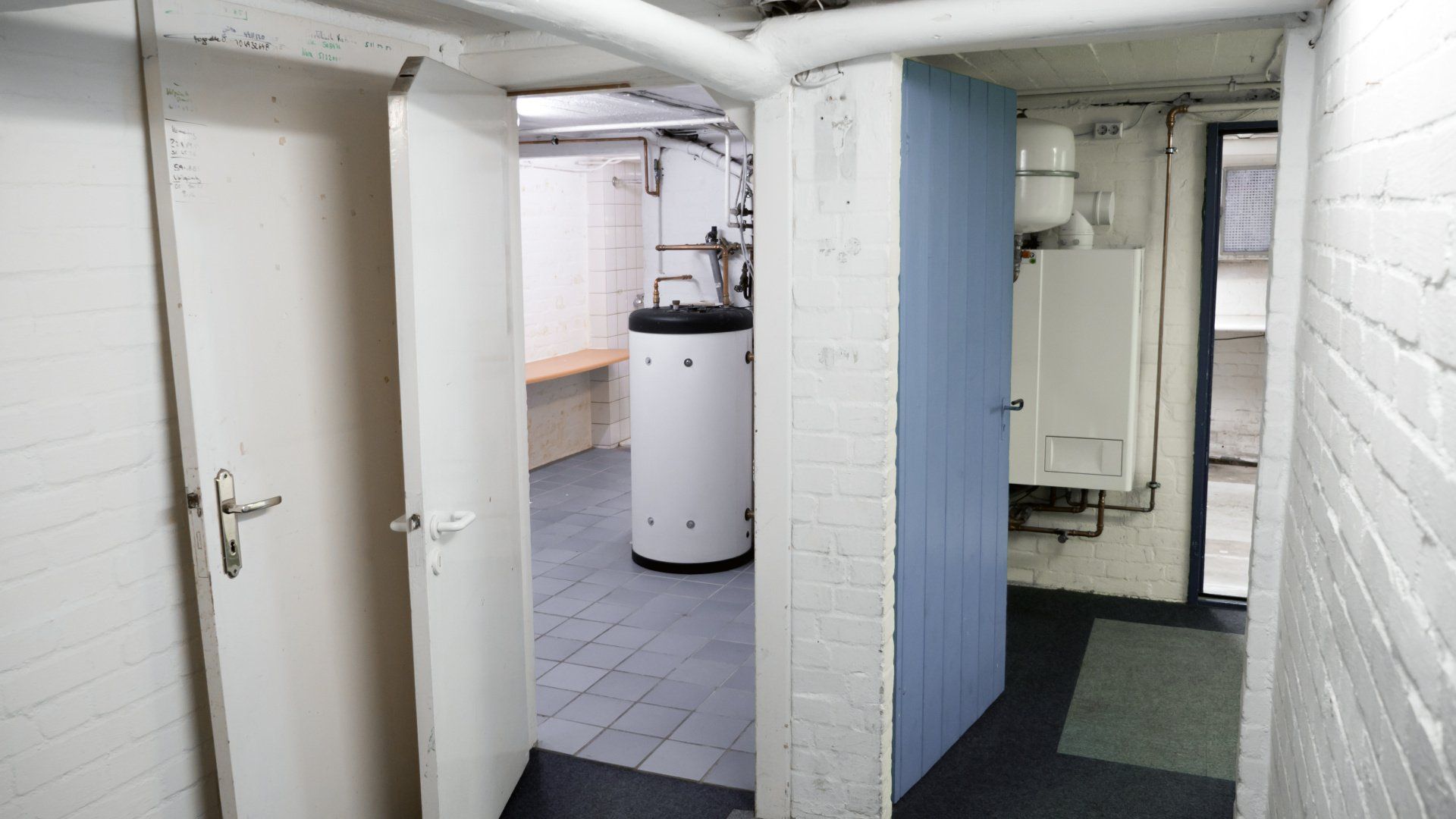
Basement with white brick walls, open doors, water heater, and various pipes.
July 12, 2022
Boilers and water heaters are important to the heating and water supply operations of the home. While they provide different services to the house—one for space heating , the other for domestic water usage—there is some slight overlap in the form of combined boiler/heater devices.
Empty room with brick walls, two windows, and a shiny, wet concrete floor.
March 29, 2022
Most of the time, your home’s sump pump works efficiently and invisibly in the background. In areas with much groundwater, the sump pump's regular on and off sounds merge with the tapestry of your home life.
Plumber in blue overalls uses a plunger in a kitchen sink.
March 22, 2022
A clogged sink or tub drain is one of the most frustrating home problems topped only by a clogged toilet. It always seems to happen at the worst possible moment. Not every plumbing problem can be prevented, but many can by changing our behaviors. There are certain materials that solidify and clog pipes or overwhelm garbage disposals that prevent water from passing through, so if you know which ones they are, you can keep them from going down the drain.

Show More