
July 14, 2021

How to Remove Soap Scum From Shower Walls

Author

Update First Last in Content -> Business Text -> First Last field

Date

July 14, 2021

Share

It’s easy for soap scum to make its way into your shower. The fatty acids that come from your bar soaps react to water, and as a result, they cling to surfaces throughout your bathroom. And once it builds up, it can be hard to remove soap scum from shower walls.

While you can’t eliminate soap scum completely, it’s possible to manage it. Here’s how to remove soap scum from shower walls, shower curtains, bathroom fixtures and more.


Choosing the Right Shower Cleaners

You can either purchase a  commercial product or make your own  cleaner. Either option works, so it’s up to your preferences. You’ll likely be able to use a homemade cleaner for more than one surface. For example, a commercial product won’t always be suitable for a surface like a glass shower door. Consider how much cleaner you’ll need to tackle your bathroom.

You can make a homemade soap scum cleaner with a few ingredients and tools. You’ll need:

  • Baking soda
  • White vinegar
  • Dish soap
  • Table salt (optional)
  • Microfiber cloths
  • A soft-bristled brush
  • A spray bottle

You’ll use some or all of these ingredients depending on the material of your shower. In most cases, you can combine the baking soda and white vinegar to form a paste. In other instances, it’s better to use a mix of white vinegar with water. Check out the four types of shower wall materials listed below to learn more.

These ingredients  will eliminate soap scum  from ceramic tile and glass doors. If you have a shower made with stone or fiberglass, it’s best to purchase a special cleaner so that you don’t cause damage. You can clean metal fixtures with the products listed above. A brass surface only needs water.

It’s always a good idea to test your products beforehand. If you don’t trust yourself to make a safe DIY cleaner, you should look for products at the store. Always choose options for your specific shower wall material — and the gentler, the better.


How to Apply Cleaner to Your Shower

Here’s how to apply the cleaner to your shower to remove soap scum from shower walls. You’ll need to use the right method according to the material of your shower walls. You should clean your shower at least once a week to prevent soap scum buildup.


1. For Tile Surfaces

How do you remove soap scum from a tile shower? Take a look.

Combine one part vinegar with one part water. Add a little dish soap and pour the mixture into a spray bottle. Spray the solution onto the tile liberally. You’ll want to let the product rest for 15 to 30 minutes. You could use this time to clean elsewhere if needed.

When you return, you’ll use the brush to scrub the entire surface gently. Then, you should rinse the area with warm water. Use a cloth to dry the tiles thoroughly. Repeat this process whenever you notice any soap scum remnants. You can’t fully eliminate soap scum, but it’s easy to keep at bay with this cleaner.


2. For Glass Surfaces

Mix the baking soda and white vinegar together until you have a paste. Moisten a clean cloth with the mixture. If you have a particularly large mess to handle, you can dip the cloth into a little table salt to add grittiness. This mixture will remove extensive soap scum more easily. Don’t go overboard because you want to avoid scratches.

Rub the mixture onto the targeted area. Let the paste sit on the surface for at least 15 minutes. Then, you can use a damp cloth to remove the mixture. Rinse the door or enclosure with warm water before you use a clean cloth to dry it.

It’s essential not to use overly abrasive ingredients or tools on your glass fixtures since they can become scratched. If you make this mistake, it’s generally simple to  remove any fine scratches  from those surfaces. Feel free to clean your tile and glass surfaces simultaneously so that you can tackle two areas at once.


3. For Granite and Marble Surfaces

A natural stone surface will be more challenging to tackle than others. That’s because it’s fragile when compared to materials like tile. Therefore, it’s necessary to use special cleaners and methods. Be sure to follow these steps carefully.

Look for a commercial cleaner that targets soap scum or hard water on natural stone. If you want to use a DIY recipe, it’s crucial to test your product in an unnoticeable spot. This process will ensure you don’t damage your entire shower wall.

Follow the instructions according to your chosen product. You’ll likely have to spray the substance and let it sit for around 15 minutes. Then, you can use a soft brush or cloth to scrub everything around so that you remove the soap scum.


4. For Fiberglass Surfaces

Fiberglass tends to be a popular material for shower stalls. Like with natural stone, you have to use a non-abrasive cleaner for fiberglass so that nothing becomes dull. A commercial product made for fiberglass is your best bet. That said, you can also use a mixture of baking soda and white vinegar.

Follow the directions for your specific cleaner. If you’re going the DIY route, you should mix your baking soda and white vinegar together to form a paste-like consistency. Spread that across your shower walls. Then, you should let everything rest for 10 minutes before you rinse and dry.

If your soap scum problem is pretty intense, you should substitute the white vinegar for hydrogen peroxide. Let that mixture sit for around 30 minutes. Borax can also work well for tough stains on certain parts of your shower.


What About Other Surfaces?

There are times when you’ll notice soap scum around your sink, counter or other spots throughout your bathroom. Your shower curtains can even get stained with soap scum. A few tricks will help you clean those areas and items.

White vinegar will be your best friend for these instances. This ingredient works best for chrome and other metal surfaces. You can also use it to clean your showerhead. If your faucet is brass or bronze, it’s best to just use water. You can always dilute the white vinegar with water to make your mixture gentler.

Tougher grime around your bathroom can be tackled with baking soda and lemon juice. It’s always smart to do a spot test before you use anything. This way, you won’t inadvertently damage any fixtures or surfaces.

It’s easy to clean your shower curtains, too. A mixture of water and vinegar  works well for this process , as well. This trick works for both plastic and fabric shower curtains. While your shower curtains get washed, you can clean your shower walls. Easy!


Ways to Prevent Soap Scum

This soap scum issue only happens when you use bar soap. A liquid shampoo or conditioner won’t leave any residue behind. You may want to switch out your current products for these alternatives if you’ve had to deal with excess soap scum.

You could also  install a water softener  if your current system uses hard water. The minerals that make up hard water create an ideal environment for soap scum. Some salts or pellets could be useful if you don’t want to take on such a significant project.

Also, you should make sure that your shower stays dry whenever you don’t bathe. A shower that stays wet or damp for a long time after use can help soap scum gather. Use a squeegee to wipe down the walls and door after you step out.

These efforts will ensure that you don’t have to clean as often. There won’t be so much buildup — and that means less maintenance for you. Be sure to keep an eye on your shower curtain, as well.


Use These Tips to Keep Your Shower Sparkly Clean

The methods for how to remove soap scum from shower walls vary for different surfaces. But these quick tricks can keep your shower walls clean and maintained every week. As long as you keep up with the soap scum, it’ll be a lot easier to handle.


Source: https://renovated.com/how-to-remove-soap-scum-from-shower-walls/

Chrome bathroom faucet with running water into a white sink.
October 17, 2025
Protect your older home’s charm and efficiency with expert plumbing contractors. Tim Rausch Plumbing LLC modernizes systems while preserving history.
Plumber repairs a bathroom sink, using a wrench.
June 17, 2025
If you have a plumbing inspection coming up, here's what you need to do to plan before your local plumbing contractor visits your home.
Plumber with wrench fixing a leaky pipe under a sink. Water is spraying.
July 22, 2024
When we ignore issues that need plumbing service, they often get to be much larger than what they originally were. Read on for what can happen!
Person using a wrench to work on plumbing under a kitchen sink.
February 13, 2024
Are you experiencing plumbing issues? Read more to identify the signs you need to call a professional plumbing contractor.

Bright white kitchen with a wooden island, stainless steel appliances, and gray walls.
September 27, 2022
A leaking refrigerator can feel like a drastic enough situation that you may think it's time to shop for a new fridge. But a leaking refrigerator doesn't necessarily mean that your fridge is on its way out .
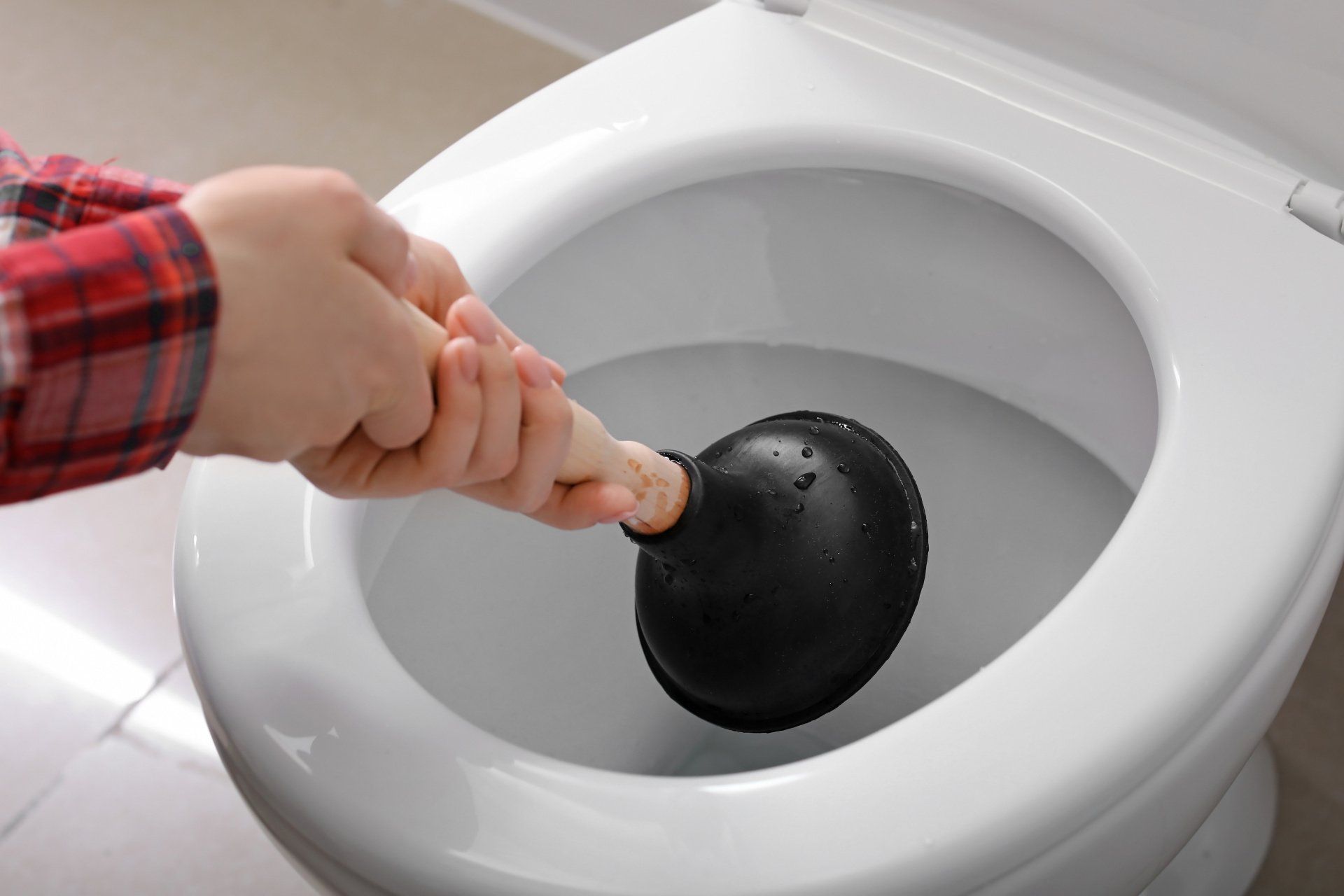
Person plunging a white toilet with a black plunger.
September 27, 2022
An overflowing toilet is a relatively common problem that many people have had to deal with, but the commonality of this issue doesn't mean that it isn't a serious situation that needs to be handled quickly. The water from an overflowing toilet can soak into wood cabinetry, seep into the walls, or damage the floorboards, making it easier for mold, mildew, and rot to spread throughout the infrastructure of your home.
Hand turning dial on a washing machine, tools and level on shelf above.
September 27, 2022
A washing machine is an essential appliance to ensure that towels, linens, clothes, and bedding are regularly washed and sanitized. Whether you use a professional cleaner to launder your clothes, take laundry to a local laundromat, or use a personal washing machine in the comfort of your home, it's necessary for your personal hygiene to have clean clothes to wear to school, work, or when you meet up with friends.
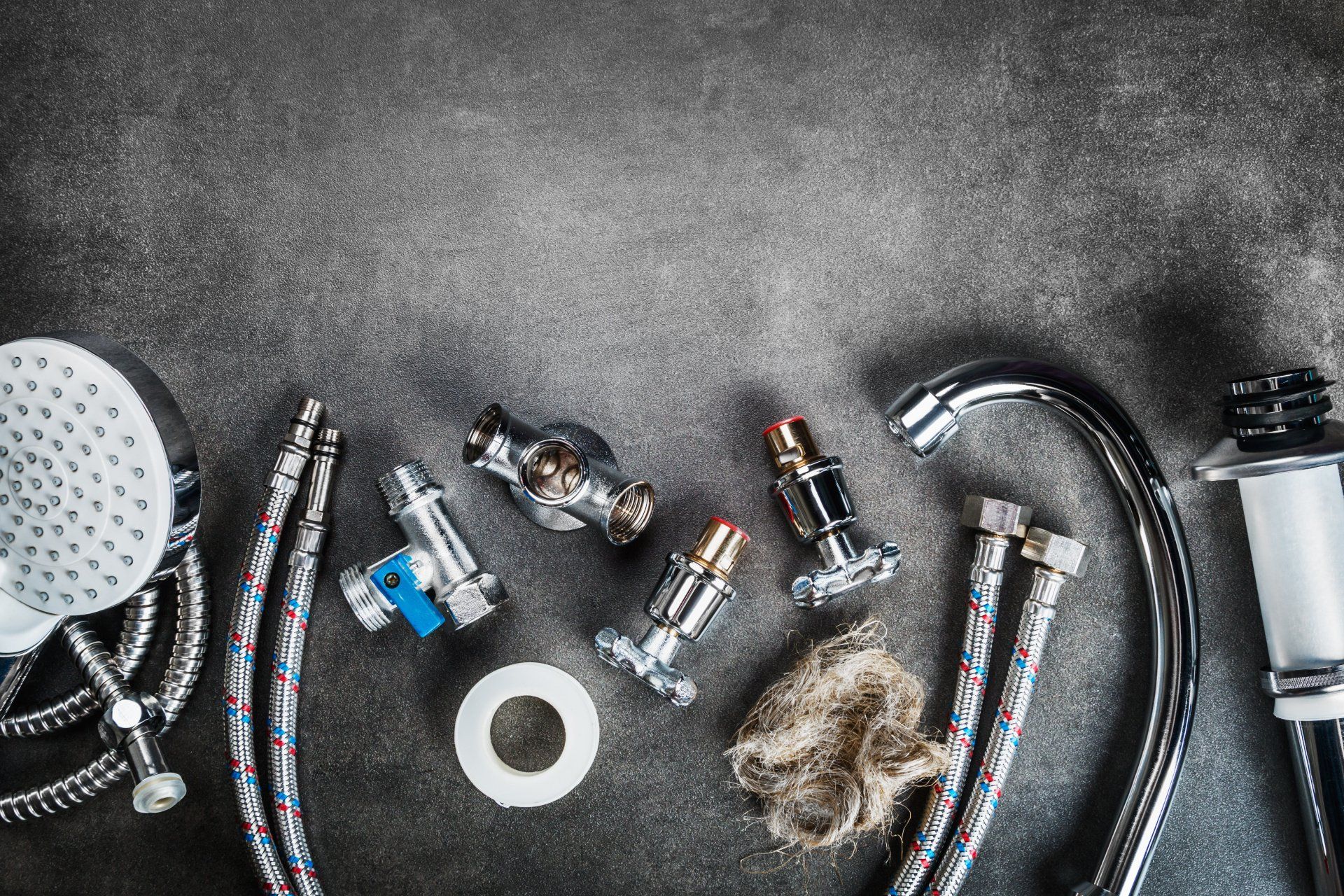
Plumbing tools: shower head, faucet, valves, hoses, and sealing materials on a dark gray surface.
July 12, 2022
On the side or top of your water heater tank is a valve connected to a metal or plastic discharge tube pointing downward. The valve is called a T&P valve, or TPR valve, for "temperature and pressure relief."
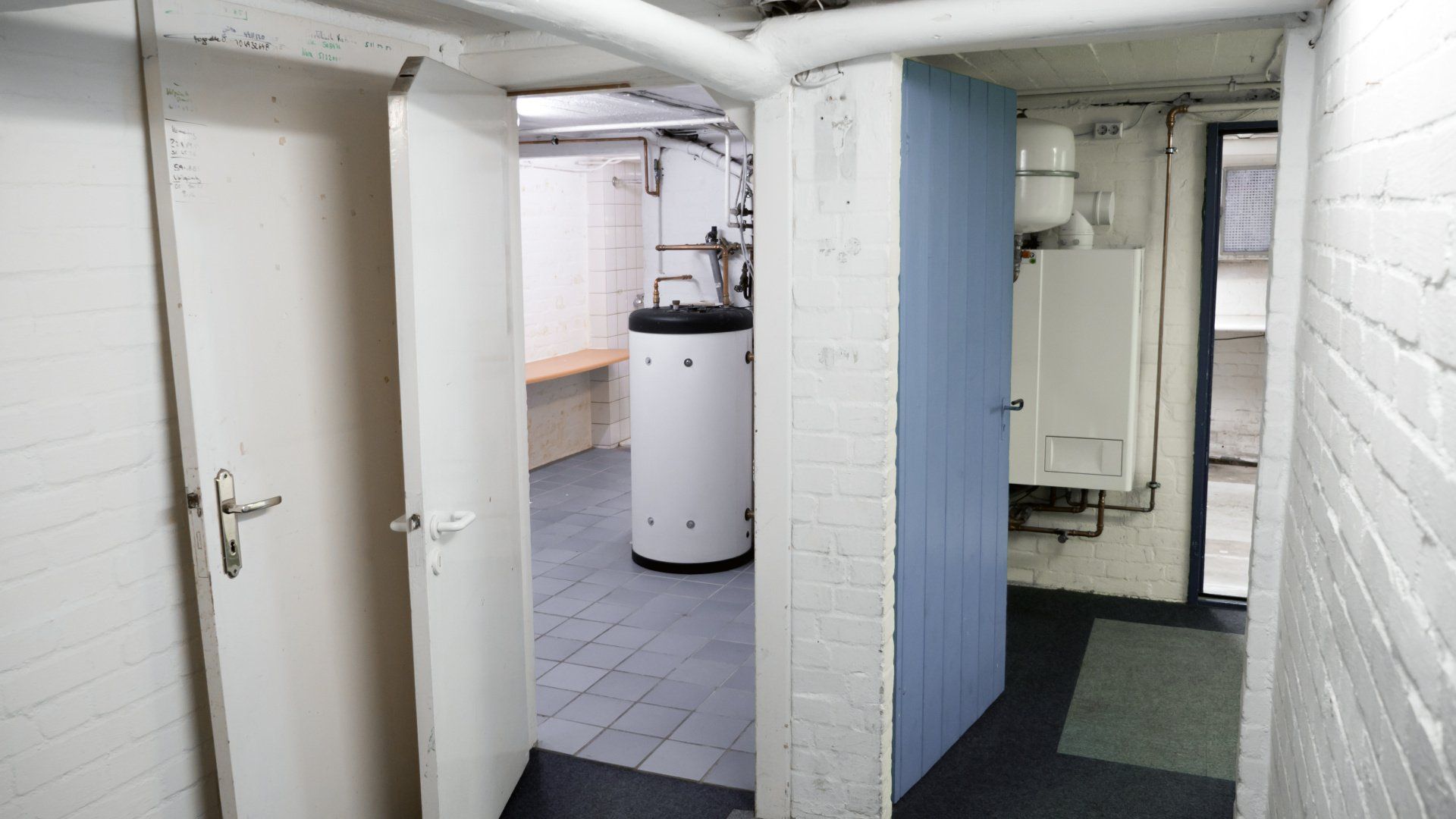
Basement with white brick walls, open doors, water heater, and various pipes.
July 12, 2022
Boilers and water heaters are important to the heating and water supply operations of the home. While they provide different services to the house—one for space heating , the other for domestic water usage—there is some slight overlap in the form of combined boiler/heater devices.
Empty room with brick walls, two windows, and a shiny, wet concrete floor.
March 29, 2022
Most of the time, your home’s sump pump works efficiently and invisibly in the background. In areas with much groundwater, the sump pump's regular on and off sounds merge with the tapestry of your home life.

Show More