July 14, 2021

How to Unclog a Shower Drain in 5 Different Ways

Author

Update First Last in Content -> Business Text -> First Last field

Date

July 14, 2021

Share

If you’ve taken a shower only to find yourself standing in an inch of water, you probably have a clogged drain. While the mess certainly isn’t fun to deal with — or look at — unclogging the pipe is relatively simple. Plus, there are several different methods of removing blockages. If one isn’t effective, you can try another.

Here’s how to unclog a shower drain.


1. Boil It Out 

When learning how to unclog a shower drain, your first attempt to remove it should be the most basic. After all, why spend $15 on a chemical cleaner if a free solution will work just fine? Simply fill your tea kettle with water and bring it to a boil. Then, pour the water down the clogged pipe little by little, giving it a chance to drain between each pour. 

The high water temperature should help dissolve soap scum and food particles, effectively removing the blockage. While this option is safe for metal pipes, you shouldn’t try it on PVCs. Doing so could cause joints to loosen, resulting in even bigger issues like leaks. 


2. Pour in Hair Clog Gel

If boiling water doesn’t do the trick, one of the more popular ways of how to unclog a shower drain is to use a gel hair remover like Drano. This solution is typically safe for septic and piping systems and only takes 15 to 30 minutes to remove the clog. Some gel and liquid formulas even pour through standing water to reach hair or food particles to effectively dissolve them. 

In most cases, all you have to do is pour the solution down your drain and let it do its magic for the recommended amount of time. Then, flush with hot water to push both the gel and the clog out of your pipes. You can safely use this chemical to unclog kitchen or bathroom sinks, as well as your shower or bathtub. Just don’t use it to unclog a toilet, as it can crack the porcelain and soften its PVC pipes.


3. Use an Enzymatic Cleaner

Alternatively, you may choose to use an enzymatic cleaner. These unclogging solutions use a special combination of naturally occurring bacteria and enzymes to eliminate waste. Often, this makes them safer for the environment than harsh gel cleaners. However, after pouring enzymatic cleaner down your drain, you may have to wait a few hours for it to work. 

During the waiting period, the bacteria or enzymes work to digest organic materials like hair and food and reproduce other bacteria that continue to do the same. Enzymatic cleaners are also safe to use in septic systems and will help clean them even after fixing your clogged pipes. 


4. Make Your Own Solution

Of course, you may opt for an even more natural solution and  make your own  unclogging agent. One home remedy includes pouring half a cup of baking soda down your drain, followed by half a cup of vinegar. Cover the opening with a plug or rag and wait 15 minutes to an hour. Then, remove the cover and flush with hot or boiling water. The chemical reaction will break up hair and grime and hopefully remove the clog. 

This option is more environmentally friendly than the previous two, as all ingredients are natural and gentler on the planet. However, since this solution doesn’t contain chemicals, you may have to repeat the process several times before the drain is clear of blockages. Plus, there’s a chance your efforts might prove fruitless, and you’ll have to resort to using a traditional cleaner anyway.


5. Get a Drain Auger or Snake

If liquid and gel solutions simply don’t work, even after repeated attempts, it’s time to pull out the big guns — or rather, the drain auger. This handy tool is also called a snake and is a long, thick flexible wire you stick down into your drain to manually push or pull blockages out.

These devices come in different lengths and thickness but, for the average homeowner, a 25-foot cable between  one-fourth and five-sixteenth of an inch  thick will suffice. 

While you can use a snake in practically any drain, be sure to use ones specially made for unclogging toilets if that is where you’re dealing with a blockage. Often, these come with a protective sheath around the cable to prevent damaging the toilet bowl. 


Prevention is the Best Bet

Of course, the best way to keep your drains free of clogs is to prevent blockages from occurring in the first place. Luckily, there are many nifty gadgets you might place in your shower drain to catch hair. From mushroom-shaped devices to little metal baskets, using these precautionary tools can save you from the expense of unclogging pipes.

Just be sure to empty catchers regularly to truly prevent blockages and slow draining water.


Source: https://renovated.com/how-to-unclog-a-shower-drain/

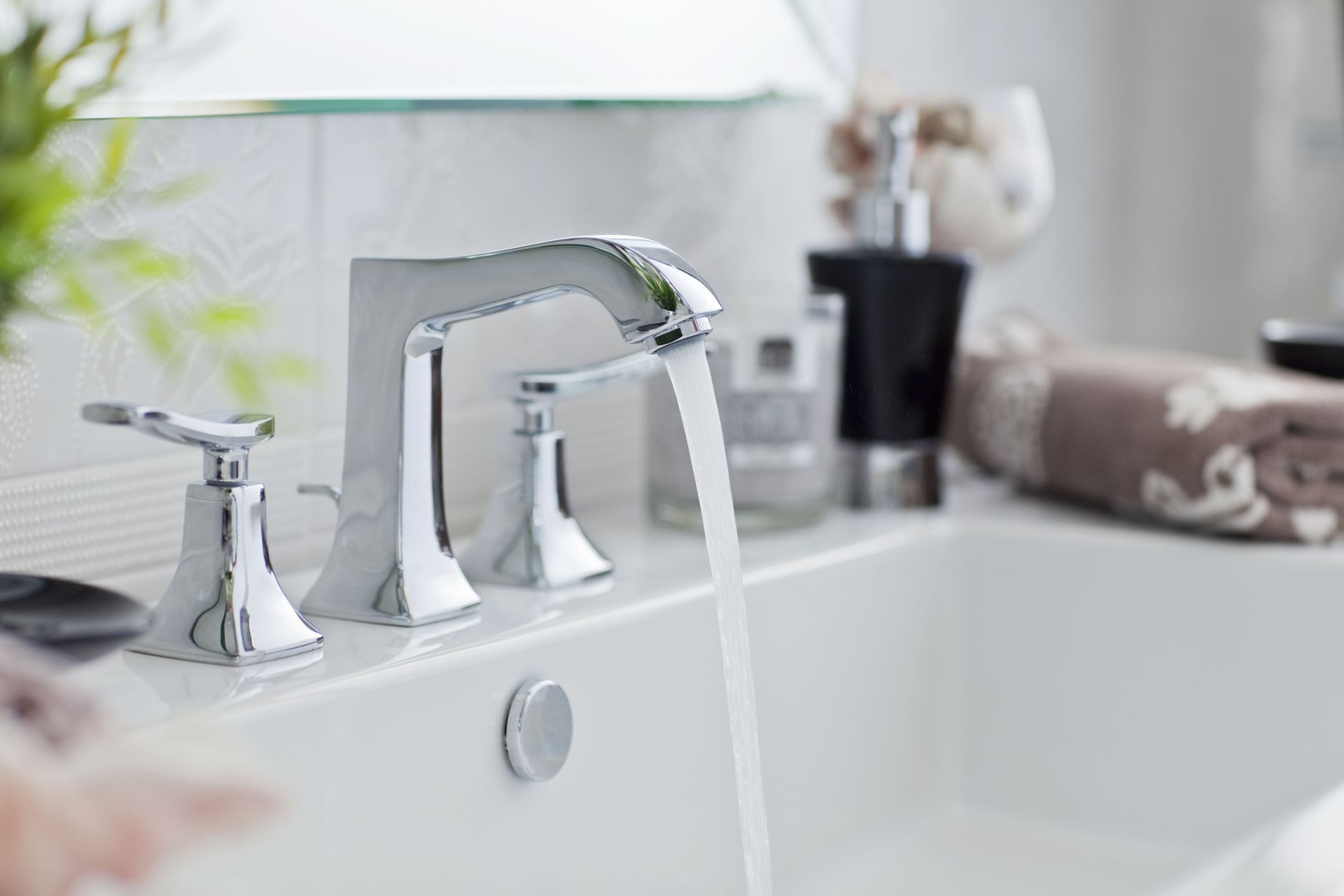
Chrome bathroom faucet with running water into a white sink.
October 17, 2025
Protect your older home’s charm and efficiency with expert plumbing contractors. Tim Rausch Plumbing LLC modernizes systems while preserving history.
Plumber repairs a bathroom sink, using a wrench.
June 17, 2025
If you have a plumbing inspection coming up, here's what you need to do to plan before your local plumbing contractor visits your home.
Plumber with wrench fixing a leaky pipe under a sink. Water is spraying.
July 22, 2024
When we ignore issues that need plumbing service, they often get to be much larger than what they originally were. Read on for what can happen!
Person using a wrench to work on plumbing under a kitchen sink.
February 13, 2024
Are you experiencing plumbing issues? Read more to identify the signs you need to call a professional plumbing contractor.

Bright white kitchen with a wooden island, stainless steel appliances, and gray walls.
September 27, 2022
A leaking refrigerator can feel like a drastic enough situation that you may think it's time to shop for a new fridge. But a leaking refrigerator doesn't necessarily mean that your fridge is on its way out .
Person plunging a white toilet with a black plunger.
September 27, 2022
An overflowing toilet is a relatively common problem that many people have had to deal with, but the commonality of this issue doesn't mean that it isn't a serious situation that needs to be handled quickly. The water from an overflowing toilet can soak into wood cabinetry, seep into the walls, or damage the floorboards, making it easier for mold, mildew, and rot to spread throughout the infrastructure of your home.
Hand turning dial on a washing machine, tools and level on shelf above.
September 27, 2022
A washing machine is an essential appliance to ensure that towels, linens, clothes, and bedding are regularly washed and sanitized. Whether you use a professional cleaner to launder your clothes, take laundry to a local laundromat, or use a personal washing machine in the comfort of your home, it's necessary for your personal hygiene to have clean clothes to wear to school, work, or when you meet up with friends.
Plumbing tools: shower head, faucet, valves, hoses, and sealing materials on a dark gray surface.
July 12, 2022
On the side or top of your water heater tank is a valve connected to a metal or plastic discharge tube pointing downward. The valve is called a T&P valve, or TPR valve, for "temperature and pressure relief."
Basement with white brick walls, open doors, water heater, and various pipes.
July 12, 2022
Boilers and water heaters are important to the heating and water supply operations of the home. While they provide different services to the house—one for space heating , the other for domestic water usage—there is some slight overlap in the form of combined boiler/heater devices.
Empty room with brick walls, two windows, and a shiny, wet concrete floor.
March 29, 2022
Most of the time, your home’s sump pump works efficiently and invisibly in the background. In areas with much groundwater, the sump pump's regular on and off sounds merge with the tapestry of your home life.

Show More