July 19, 2021

How to Snake a Drain

Author

Update First Last in Content -> Business Text -> First Last field

Date

July 19, 2021

Share

Slow-draining or  clogged drains  are easy to clear with a drain auger, otherwise known as a  drain snake . While you may need to call in a plumber for stubborn clogs, most clogs due to soft debris can be snagged and removed by a drain snake.


With this simple, low-cost device that you can store in a sink cabinet, you'll save time and money by not having a plumber clear your  clogged drain .


When to Snake a Drain

Use a drain snake when your  sink , shower, or  tub drain  is draining slowly or is not draining at all due to soft clogs located up to 15 to 25 feet down the line. Snaking or augering a drain can often solve water drainage problems that cannot be cured by chemicals, plunging, or by using a plastic hair snake.


Drain snakes cannot pick up heavy items such as rings, nor can they cut through obstructions in drainage pipes.


How a Drain Snake Works

drain snake , or drain auger, is a metal cable coiled into a protective drum. The cable can be up to 25 feet long. The end of the cable has a corkscrew-type spring that removes clogs in drains.


Pushed by hand, the cable uncoils from the drum and advances through the drain. When the corkscrew end of the snake cable encounters an obstruction, the drum is locked into place, allowing the cable to turn. By turning, its sharp end snags the obstruction and holds onto it, where it can then be pulled back and removed.


Safety Considerations

Wear safety glasses and gloves. If the drain contains drain-cleaning chemicals, flush the drain with water before snaking it, if possible. If water is not draining, be careful when pulling out the drain snake to avoid splashback.


What You'll Need

Equipment / Tools

  • Drain snake
  • Bowl or shallow bucket
  • Rags
  • Old towels
  • Plug wrench (for tubs and showers)


Instructions

1) Remove P-Trap

For sink drains, reach into the sink cabinet and  remove the P-trap . The P-trap is the 1 1/4- to 2-inch-diameter curved pipe somewhat shaped like the letter P. This trap holds standing water in order to seal the drain against sewer gasses entering your home.


The P-trap can be removed entirely by hand. Place the old towels on the floor of the sink cabinet. Place the bowl or bucket under the P-trap. Using old rags for grip, unscrew the plastic nuts. Release the P-trap and drain the collected water in the container.


2) Access Drain

For tubs, the trap can be accessed through the overflow portion of the drain. A manual snake may be difficult to use here—an electric snake is much better at getting around the trap and down the pipes.

For showers,  remove the drain . First, pop off any screens or covers by gently prying with a flat-head screwdriver. Using a plug wrench, turn the drain counterclockwise to remove it.


3) Extend Cable

Loosen the thumbscrew on the drum of the drain snake. By hand, extend the cable and push it into the drain pipe. Stop when you reach an obstruction.


4) Snag Obstruction

Tighten the thumbscrew on the drum. Slowly rotate the drain snake handle two or three times.


5) Retract Cable

Loosen the thumbscrew once again. By hand, slowly pull the cable back toward you.


6) Clear Drain Snake

Clear the debris from the end of the drain snake. Twist the debris counter-clockwise to remove it.


7) Continue Clearing Pipe

If you believe that there are additional clogs, repeat the process, beginning with the first step. Since you cannot test drain flow without reassembling the sink's drainpipe, it's often best to continue snaking the drain until you have reached the end of the cable.


8) Test Drain Flow

Reassemble the drainage pipe. Run the water to test for drainage.


9) Clean Drain Snake

After snaking the drain, it is important to wash off the drain snake. Bacteria-laden debris and hair will be contained on the spring and along the cable and should not be retracted into the drum. Also, if the cable is left wet, it will rust. After washing the cable, let it dry.

Tips for Snaking a Drain

  • Do not pour caustic chemicals into the drain prior to snaking it.
  • Be sure to pull the cable straight out. Turning it counter-clockwise may loosen the obstruction and re-deposit it in the drainage pipe.
  • If the snake is stuck, continuing to turn the drum and cable may cause the cable to kink up and become even more stuck. Lock the thumbscrew in place and turn the drum and cable in reverse, while slowly backing the cable out of the drain.


When to Call a Pro

Call in a plumber  when the distance of the clog exceeds the length of your drain snake. For some drain augers, this may be either 15 feet or 25 feet.


Drain snakes pick up clogs but cannot cut through obstructions. Call a plumber or a rooter-type service, as their motorized sewer machines can bore through and dislodge solid items stuck in pipes.


Drain cleaning is fairly inexpensive, so if you're at all uncertain about your ability to use the snake or clear the drain successfully, calling a pro is your best option.


Source: https://www.thespruce.com/how-to-snake-a-drain-5183834

Chrome bathroom faucet with running water into a white sink.
October 17, 2025
Protect your older home’s charm and efficiency with expert plumbing contractors. Tim Rausch Plumbing LLC modernizes systems while preserving history.
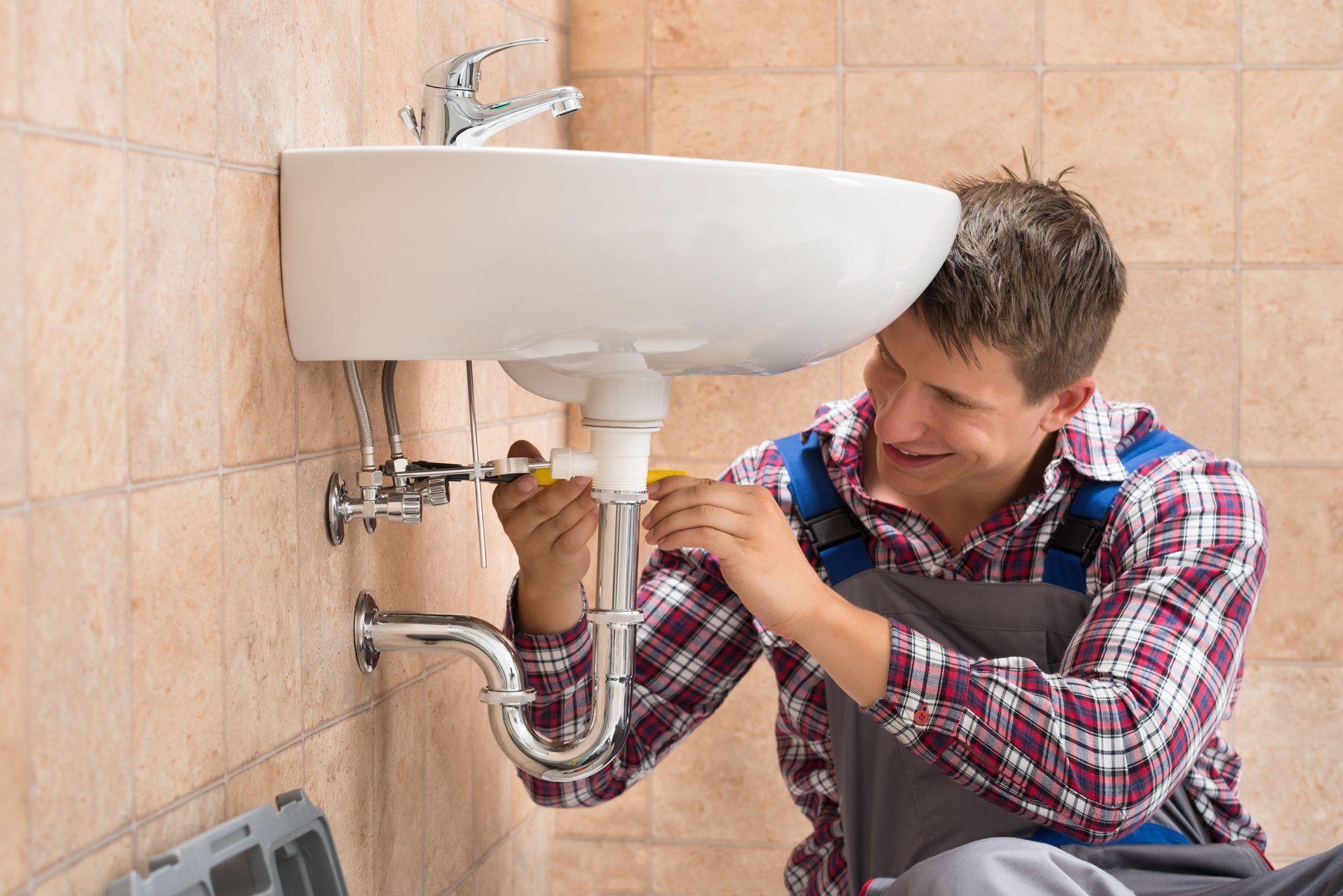
Plumber repairs a bathroom sink, using a wrench.
June 17, 2025
If you have a plumbing inspection coming up, here's what you need to do to plan before your local plumbing contractor visits your home.
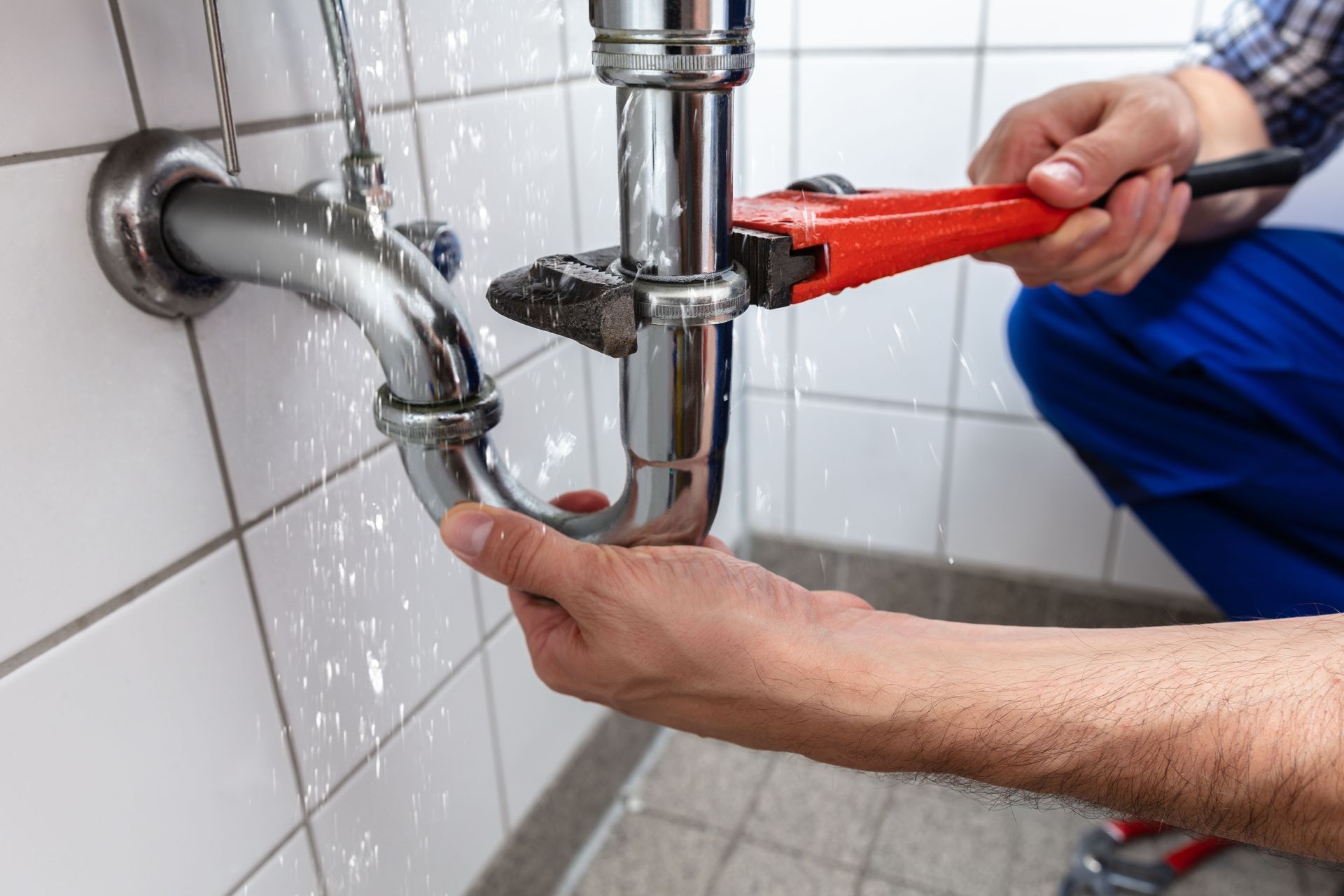
Plumber with wrench fixing a leaky pipe under a sink. Water is spraying.
July 22, 2024
When we ignore issues that need plumbing service, they often get to be much larger than what they originally were. Read on for what can happen!
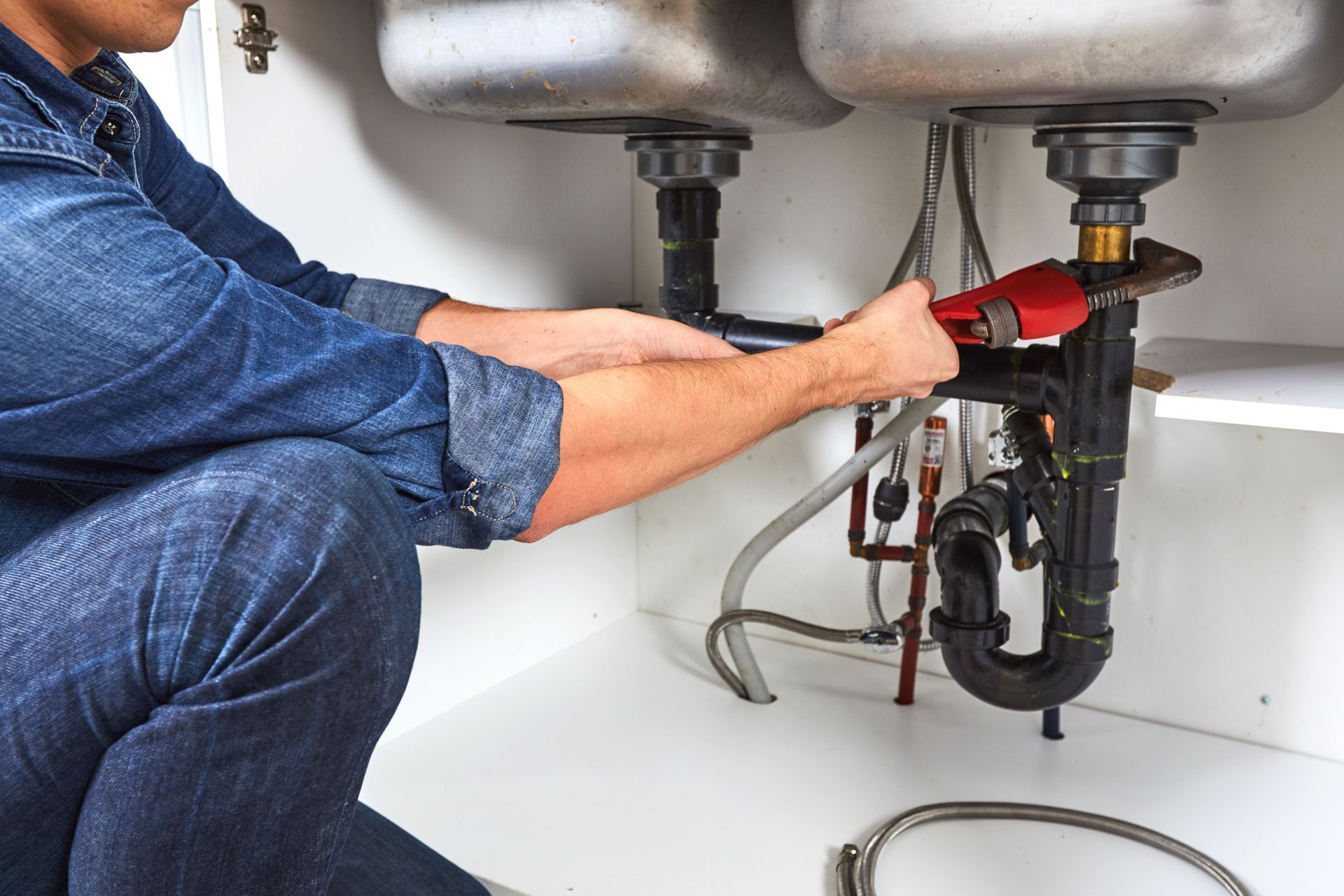
Person using a wrench to work on plumbing under a kitchen sink.
February 13, 2024
Are you experiencing plumbing issues? Read more to identify the signs you need to call a professional plumbing contractor.

Bright white kitchen with a wooden island, stainless steel appliances, and gray walls.
September 27, 2022
A leaking refrigerator can feel like a drastic enough situation that you may think it's time to shop for a new fridge. But a leaking refrigerator doesn't necessarily mean that your fridge is on its way out .
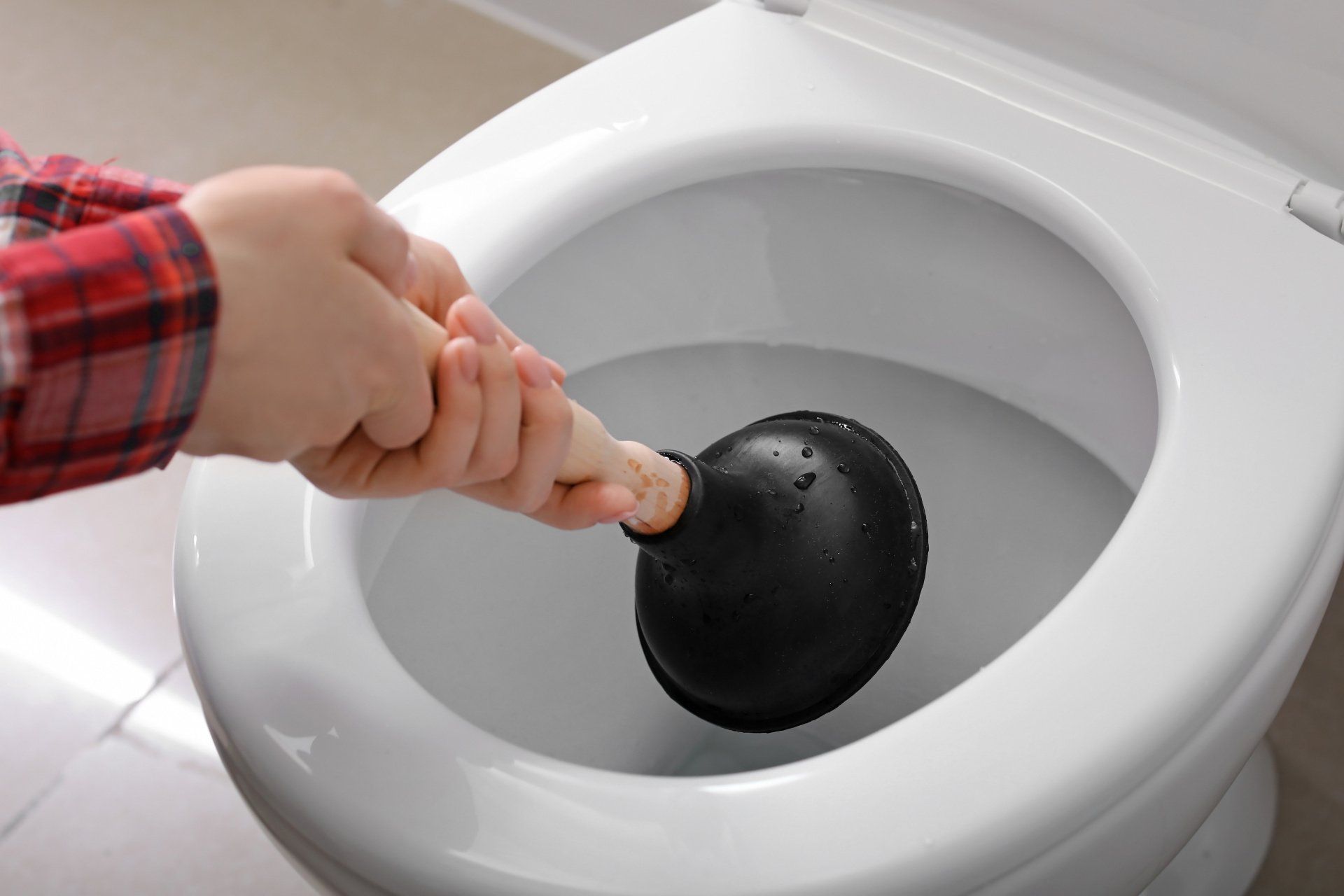
Person plunging a white toilet with a black plunger.
September 27, 2022
An overflowing toilet is a relatively common problem that many people have had to deal with, but the commonality of this issue doesn't mean that it isn't a serious situation that needs to be handled quickly. The water from an overflowing toilet can soak into wood cabinetry, seep into the walls, or damage the floorboards, making it easier for mold, mildew, and rot to spread throughout the infrastructure of your home.
Hand turning dial on a washing machine, tools and level on shelf above.
September 27, 2022
A washing machine is an essential appliance to ensure that towels, linens, clothes, and bedding are regularly washed and sanitized. Whether you use a professional cleaner to launder your clothes, take laundry to a local laundromat, or use a personal washing machine in the comfort of your home, it's necessary for your personal hygiene to have clean clothes to wear to school, work, or when you meet up with friends.
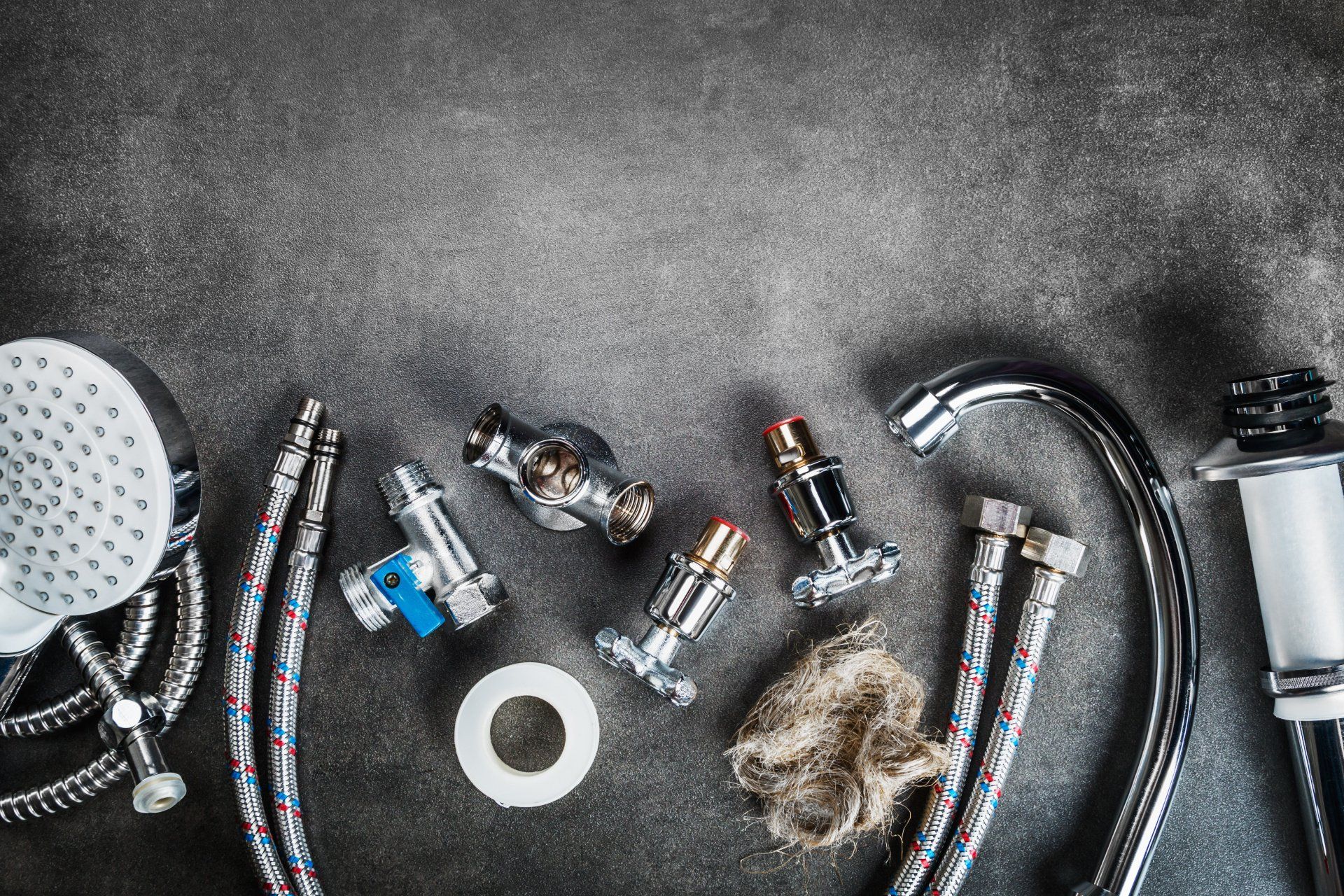
Plumbing tools: shower head, faucet, valves, hoses, and sealing materials on a dark gray surface.
July 12, 2022
On the side or top of your water heater tank is a valve connected to a metal or plastic discharge tube pointing downward. The valve is called a T&P valve, or TPR valve, for "temperature and pressure relief."
Basement with white brick walls, open doors, water heater, and various pipes.
July 12, 2022
Boilers and water heaters are important to the heating and water supply operations of the home. While they provide different services to the house—one for space heating , the other for domestic water usage—there is some slight overlap in the form of combined boiler/heater devices.
Empty room with brick walls, two windows, and a shiny, wet concrete floor.
March 29, 2022
Most of the time, your home’s sump pump works efficiently and invisibly in the background. In areas with much groundwater, the sump pump's regular on and off sounds merge with the tapestry of your home life.

Show More