
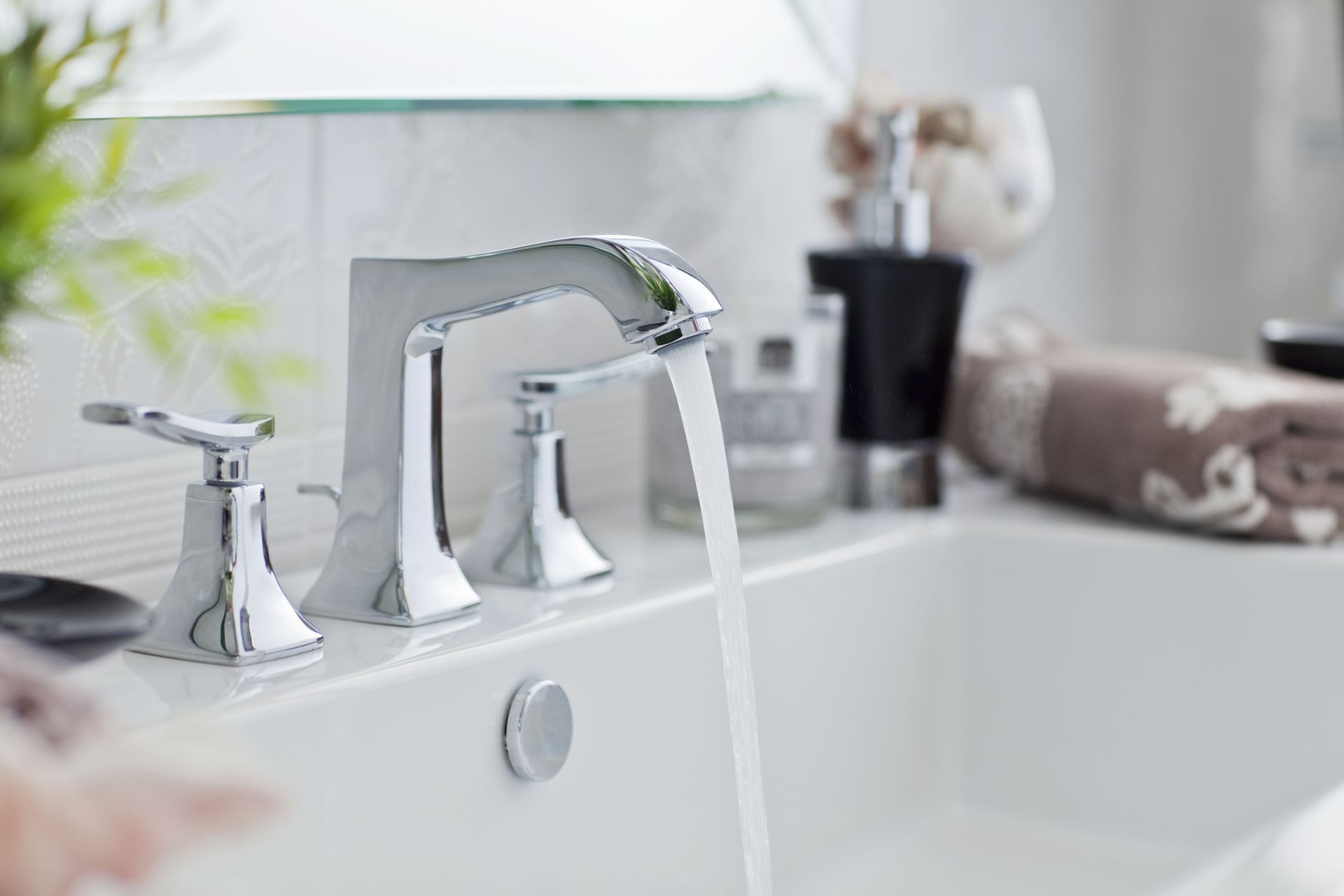
July 15, 2021

How to Remove a Faucet Aerator

Author

Update First Last in Content -> Business Text -> First Last field

Date

July 15, 2021

Share

When the water pressure at a single faucet is very low, the solution is often remarkably simple. At the end of the faucet spout, there is usually a screw-on screen fitting, known as the aerator. Many people do not even know this fitting is there and often  call a plumber  to make a repair that is extremely easy.


The Function of the Aerator

The purpose of the aerator is to break up the solid stream of water and add air to the water flow—a function that can reduce water usage by as much as 30 percent. When faucet aerators get clogged with grit or mineral buildup, they need to be cleaned to restore proper water flow. This is a common problem in areas where there is a heavy mineral content in the water supply.


In most cases, a simple cleaning of the aerator will do the trick, though sometimes you may need to replace the aerator fitting. In either case, you will need to first remove the aerator. Usually, the  aerator  is screwed on hand-tight and can simply be unscrewed and removed quite easily. In other cases, though, the buildup of mineral deposits may freeze up the aerator and make it hard to remove. Heat and/or penetrating oil can help.

What You'll Need

Equipment / Tools

  • Tongue-and-groove pliers
  • Rag or masking tape
  • Hair dryer (as needed)


Materials

  • Penetrating oil (as needed)


Instructions

1) Attempt to Remove by Hand

Start by trying to unscrew the aerator from the spout by hand. Most faucet aerators have been threaded on by hand, and often you can unscrew it the same way. Make sure to dry off both the faucet and your hands first in order to get a good grip. 


2) Move to Pliers

If removing by hand does not work, the next step is to try pliers. If the aerator is in good condition and you want to reuse it, wrap a rag or masking tape around the aerator to protect the metal surface against scratches before gripping it with the pliers. A small pair of  tongue-and-groove pliers  works best for this. 


Grip the aerator between the jaws of the pliers, taking care to keep the jaws only on the aerator, not the faucet spout. Turn the aerator counter-clockwise (as viewed upward from below the spout) to unscrew it from the spout. If this does not work, try moving the pliers a quarter-turn around the aerator, and try unscrewing the aerator from the new position. Moving to different positions can gradually loosen a stubborn aerator. Take care not to grip the aerator too tightly, because the metal is soft and will bend easily, making your job even harder.


Aerators are commonly considered to be "reverse-threaded," but in reality, it's just your perspective. When viewed from underneath the faucet, where the aerator is screwed in, the threading is normal: right-tighty, lefty-loosey. When viewed from above, the threading appears to be reversed.


3) Heat the Aerator

Gentle heat applied to the aerator using a hairdryer may slightly expand the metal and make it possible to loosen it with pliers. Even a lit match held near the aerator may loosen the metal. Apply heat in moderation, though, as it is easy to melt any plastic parts or rubber washers if the aerator is overheated. Cheaper faucets may actually use a plastic screw-on aerator—never use heat on plastic parts.


4) Apply Penetrating Oil

If heat also fails, try spraying penetrating oil (such as WD-40 or a similar product) on the threads and let it sit for a few minutes before trying again with pliers. Wipe off oil from the surface of the aerator before trying to unscrew it, because oil makes the metal slippery.


Cleaning and Reinstalling the Aerator

The metal screen on the aerator may be clogged with grit or mineral deposits, which can be cleaned off by hand or by poking the openings of the metal screen with a pin or needle. If the screen is rusted, it should be replaced. If the parts are clogged with  lime mineral deposits , soak them overnight in vinegar or use a commercial lime-remover product, such as Lime-Away.


When installing or reinstalling the aerator, screw it on just hand-tight at first. Test the faucet, and if water leaks around the aerator, then tighten the aerator just a bit further with pliers, making sure to use a rag or masking tape to protect the metal surface.


Source: https://www.thespruce.com/removing-a-faucet-aerator-2718836

Chrome bathroom faucet with running water into a white sink.
October 17, 2025
Protect your older home’s charm and efficiency with expert plumbing contractors. Tim Rausch Plumbing LLC modernizes systems while preserving history.
Plumber repairs a bathroom sink, using a wrench.
June 17, 2025
If you have a plumbing inspection coming up, here's what you need to do to plan before your local plumbing contractor visits your home.
Plumber with wrench fixing a leaky pipe under a sink. Water is spraying.
July 22, 2024
When we ignore issues that need plumbing service, they often get to be much larger than what they originally were. Read on for what can happen!
Person using a wrench to work on plumbing under a kitchen sink.
February 13, 2024
Are you experiencing plumbing issues? Read more to identify the signs you need to call a professional plumbing contractor.

Bright white kitchen with a wooden island, stainless steel appliances, and gray walls.
September 27, 2022
A leaking refrigerator can feel like a drastic enough situation that you may think it's time to shop for a new fridge. But a leaking refrigerator doesn't necessarily mean that your fridge is on its way out .
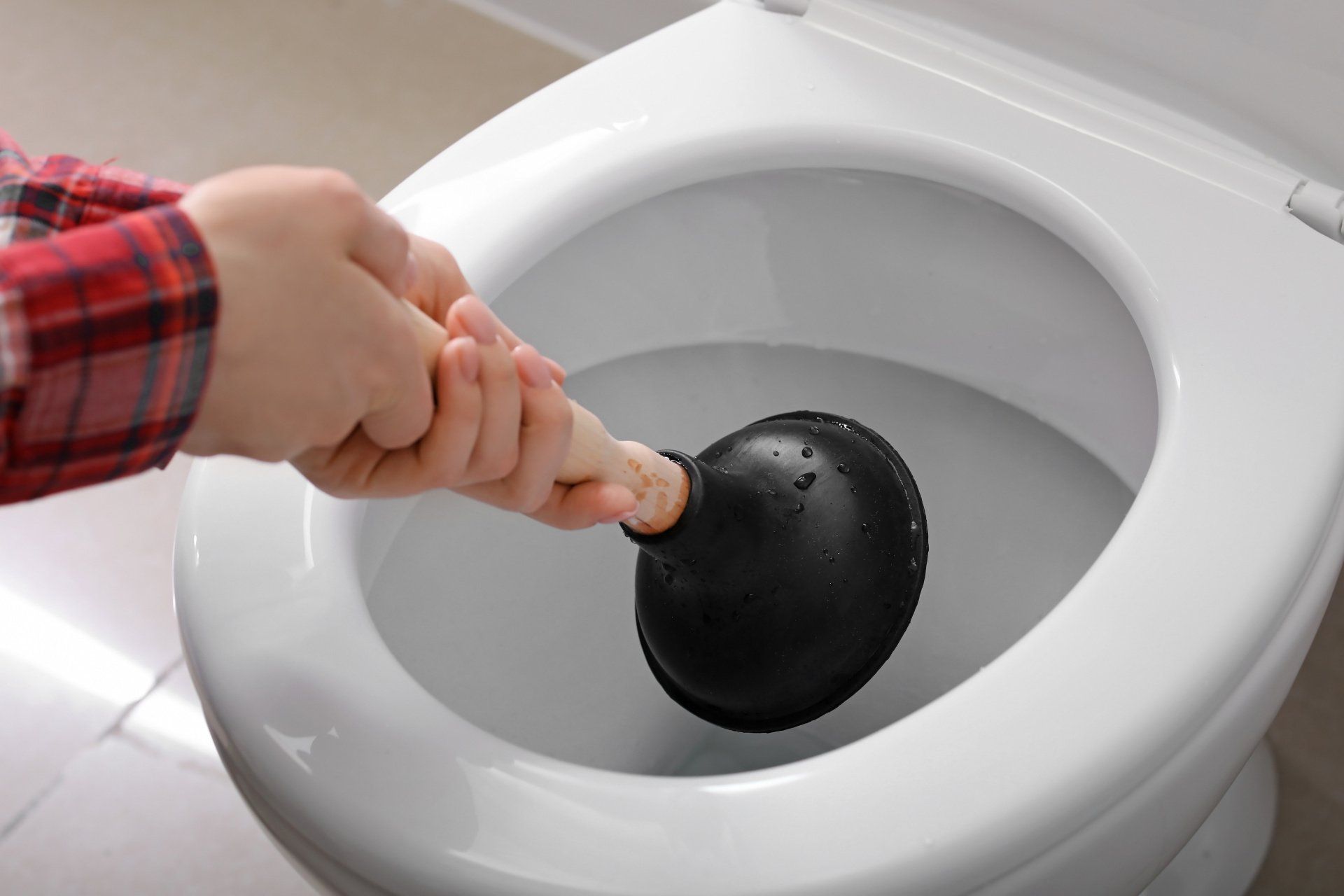
Person plunging a white toilet with a black plunger.
September 27, 2022
An overflowing toilet is a relatively common problem that many people have had to deal with, but the commonality of this issue doesn't mean that it isn't a serious situation that needs to be handled quickly. The water from an overflowing toilet can soak into wood cabinetry, seep into the walls, or damage the floorboards, making it easier for mold, mildew, and rot to spread throughout the infrastructure of your home.
Hand turning dial on a washing machine, tools and level on shelf above.
September 27, 2022
A washing machine is an essential appliance to ensure that towels, linens, clothes, and bedding are regularly washed and sanitized. Whether you use a professional cleaner to launder your clothes, take laundry to a local laundromat, or use a personal washing machine in the comfort of your home, it's necessary for your personal hygiene to have clean clothes to wear to school, work, or when you meet up with friends.
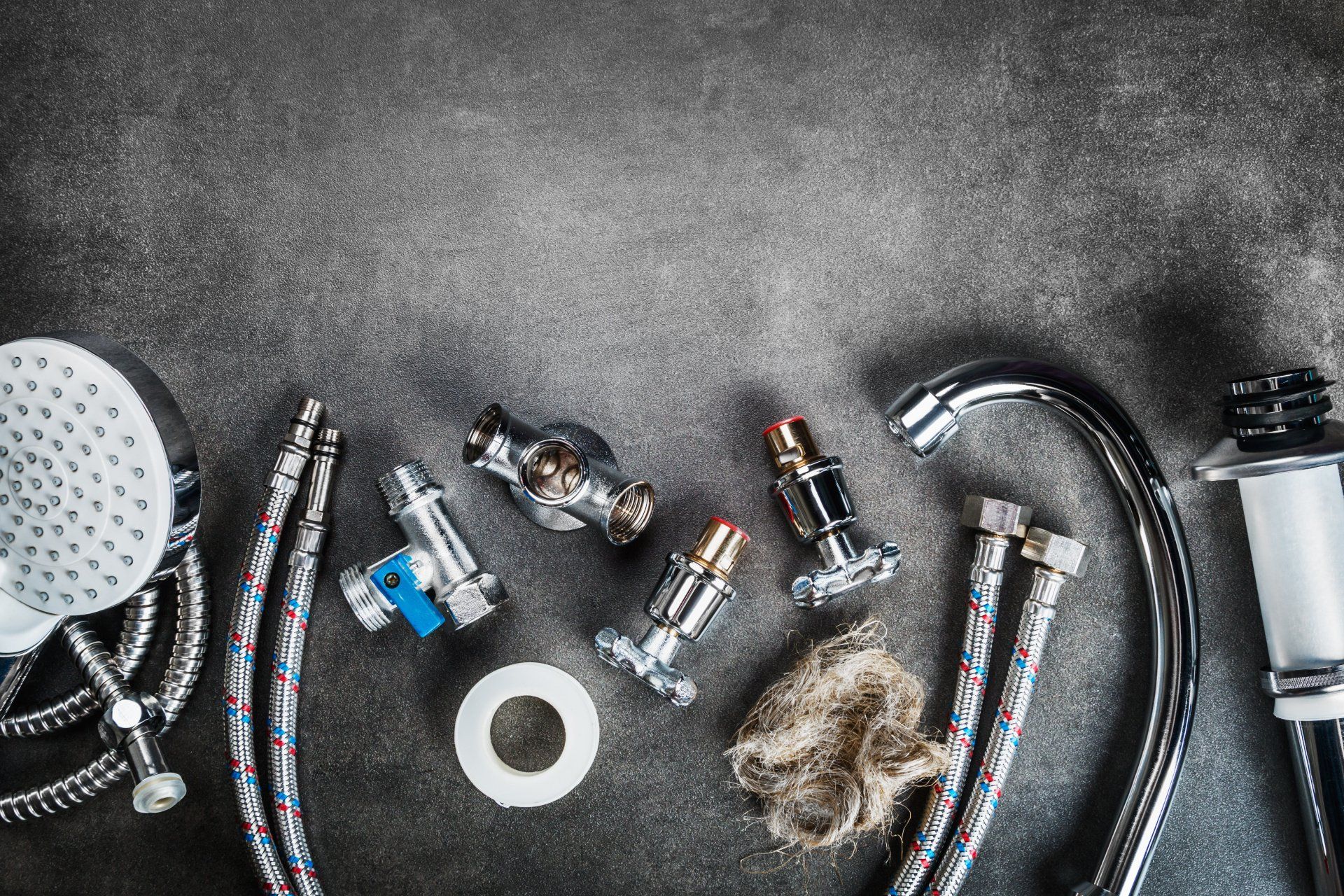
Plumbing tools: shower head, faucet, valves, hoses, and sealing materials on a dark gray surface.
July 12, 2022
On the side or top of your water heater tank is a valve connected to a metal or plastic discharge tube pointing downward. The valve is called a T&P valve, or TPR valve, for "temperature and pressure relief."
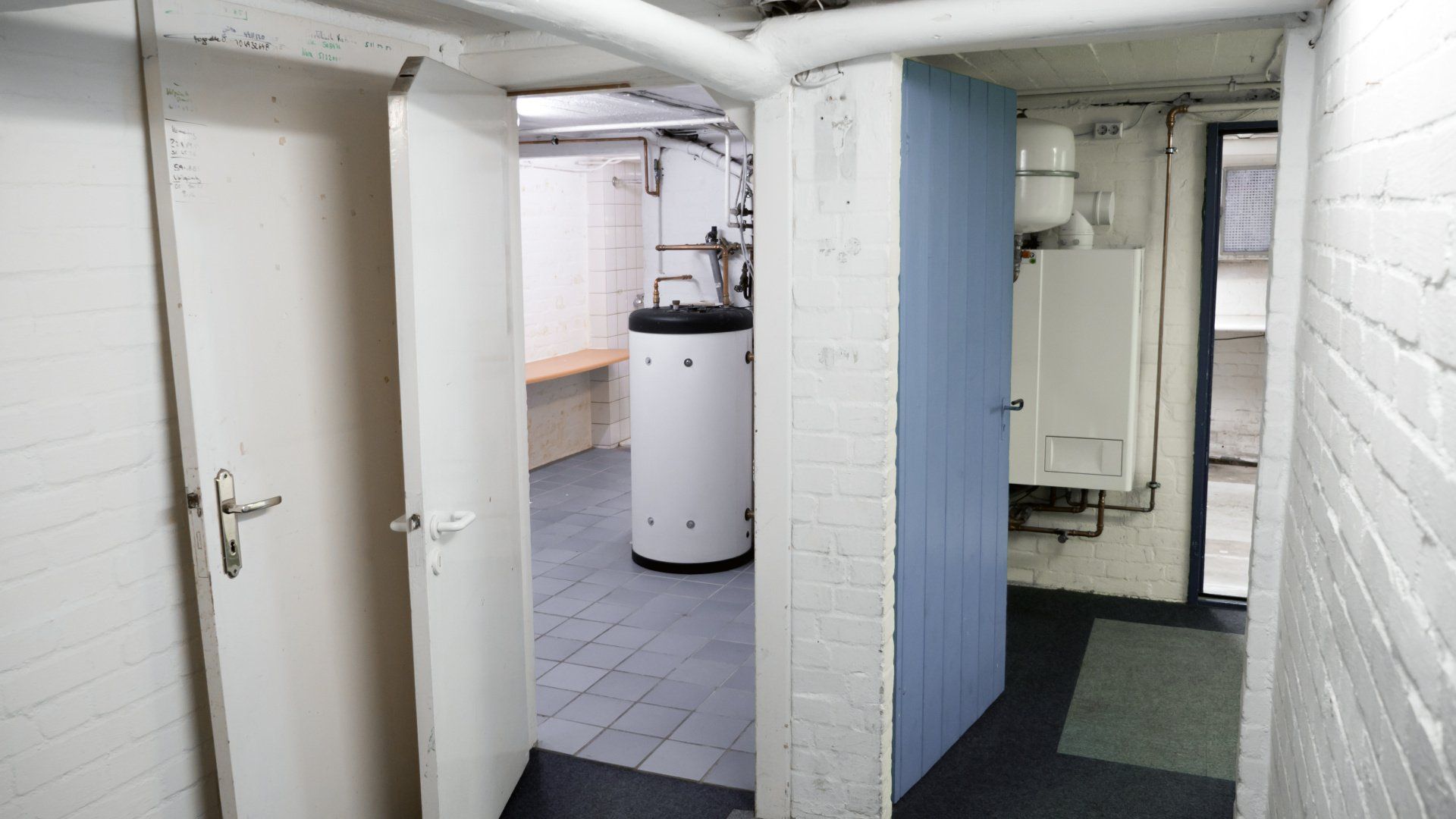
Basement with white brick walls, open doors, water heater, and various pipes.
July 12, 2022
Boilers and water heaters are important to the heating and water supply operations of the home. While they provide different services to the house—one for space heating , the other for domestic water usage—there is some slight overlap in the form of combined boiler/heater devices.
Empty room with brick walls, two windows, and a shiny, wet concrete floor.
March 29, 2022
Most of the time, your home’s sump pump works efficiently and invisibly in the background. In areas with much groundwater, the sump pump's regular on and off sounds merge with the tapestry of your home life.

Show More