January 10, 2022

What to Do When Your Water Heater Is Making Noises | The Spruce

Author

Update First Last in Content -> Business Text -> First Last field

Date

January 10, 2022

Share

The  water heater  is responsible for heating up cold water so that it can be used in the shower, dishwasher, clothes washer, or any sink in the home. When that all-important water heater starts making noises, it can be difficult to know what the problem is and how to deal with it, especially if the noise is inconsistent. Keep reading to better understand the various noises a water heater may make and what these noises mean.


[WARNING]

Most problems that arise with a hot water heater should be dealt with exclusively by a professional who has been trained to work with hot water tanks. Even experienced DIYers should avoid working with the hot water tank to prevent potential problems, such as a leaking gas line.


Rumbling

Sediment build-up is a regularly occurring issue with hot water tanks, especially if you live in areas that are known to have  hard water.  These mineral deposits settle inside the tank causing a range of problems. When the hot water in the tank heats and expands, it pushes through the sediment to the top of the tank, which causes the sediment to shift against the sides and bottom of the water tank, resulting in a rumbling sound.


Experienced DIYers may be able to flush and drain the hot water tank with a long hose in order to remove the sediment, or you could try using a descaling solution to break down limescale within the tank. However, if you are not experienced with plumbing, it's advised to have a professional plumber in once a year to flush the tank.


Popping

Popping, like rumbling, is most often caused by limescale and sediment build-up within the tank. The sound is created when steam bubbles form under the sediment, then burst as the water heats up. A quick solution is to use a descaling product to help break down the limescale and minerals, but it may be better to flush and drain the tank to remove any built-up sediment.


Additionally, popping sounds can be caused if an aluminum anode rod within the tank is exposed to high levels of alkalinity. A plumber can fix this issue by replacing the aluminum anode rod with a magnesium anode rod.


Sizzling, Hissing, or Crackling

Sizzling, hissing, and crackling sounds are mostly heard from  electric water heaters.  They are typically attributed to sediment build-up in the base of the tank, which can be addressed by annually flushing and draining the water heater. These sounds occur when the lower heating element is buried by sediment. However, irritating noises aren't always the only symptom of this problem. Expect the heating bills to go up as the water heater struggles to heat the same amount of water with a greatly reduced ability to produce heat from the lower heating element.


A gas-powered water heater can also make sizzling sounds, though the problem isn't the same. Sizzling sounds in a  gas water heater  are caused by internal condensation, which makes a sizzling sound when it drips down onto the burners. The formation of condensation in the tank could be a sign that there is a leak within the tank. It's recommended to call a professional plumber to deal with this issue.


Ticking

Changes in water pressure, efficiency-boosting heat trap nipples, and loose pipe straps can all cause ticking noises in and around the water tank. The good news is that most of these causes are not actual problems that need to be solved.


As long as changes in water pressure are not frequent and dramatic (like rapidly opening and closing the main building control valve), then this won't cause any damage to the system. Similarly, efficiency-boosting heat trap nipples actually improve the functionality of the water heater, though if the ticking sound is really irritating, these parts can be switched out for non-heat trap nipples.

Loose pipe straps aren't a serious issue, but it is a good idea to fix this problem by tightening or replacing the pipe straps. This will stop the ticking sound and also prevent the pipes from shifting. Alternatively, lowering the heat by a few degrees may reduce the expansion of the pipes and stop any ticking sounds.


Screeching, Screaming, or Singing

Any high-pitched noises that sound similar to the whistling of a boiling stovetop kettle would fall into this screeching, screaming, and singing category. These sounds are typically produced when the flow of water through a valve is significantly restricted.

The first thing to do is check the temperature and pressure relief valve that is usually located on the side of the water tank. This valve is intended to allow water to escape the tank if the pressure inside becomes too great. If the source of the sound is this relief valve, immediately turn off the gas, electricity, and water to the tank and  call a plumber.

If the sound isn't coming from the temperature and pressure relief valve, it may be coming from the inlet valve, the outlet valve, or any nearby water lines. Make sure that any valves are fully opened and check the lines for any kink or deformations that may be restricting the flow of water. If the lines are damaged or the sounds continue, call a plumber to help rectify the situation.


Banging or Hammering

Most people have heard the term  water hammer:  It refers to a banging or hammering sound produced by the plumbing system when the water is forced to stop or change direction abruptly, resulting in a pressure surge within the system. Water hammer has the potential to burst pipes in the home and could even lead to the expansion and deformation of the water tank. Contact a plumber to help deal with this situation and consider installing a water hammer arrestor or pressure-reducing valve to address recurring issues.

Source: https://www.thespruce.com/water-heater-problem-making-noises-4103881

Chrome bathroom faucet with running water into a white sink.
October 17, 2025
Protect your older home’s charm and efficiency with expert plumbing contractors. Tim Rausch Plumbing LLC modernizes systems while preserving history.
Plumber repairs a bathroom sink, using a wrench.
June 17, 2025
If you have a plumbing inspection coming up, here's what you need to do to plan before your local plumbing contractor visits your home.
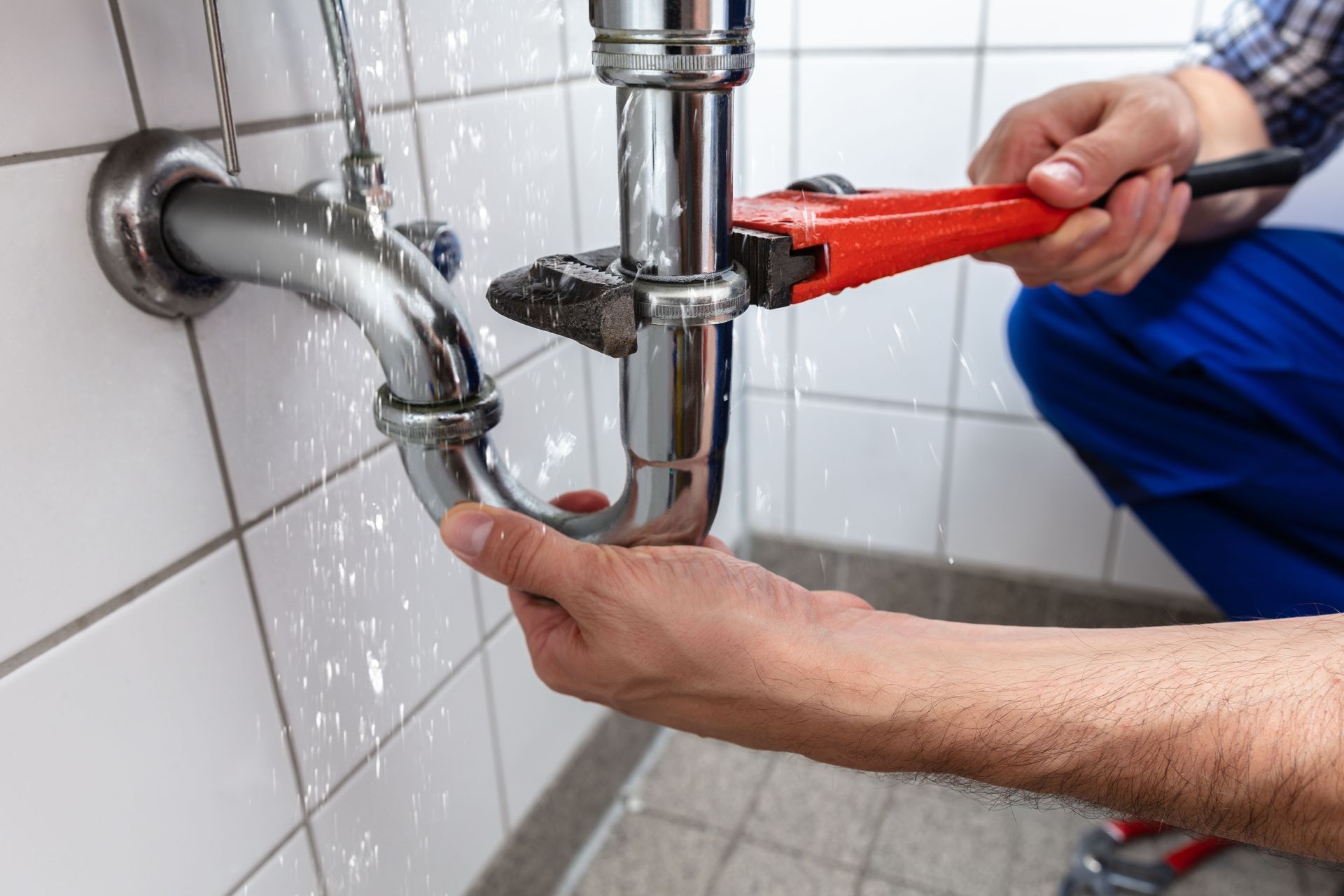
Plumber with wrench fixing a leaky pipe under a sink. Water is spraying.
July 22, 2024
When we ignore issues that need plumbing service, they often get to be much larger than what they originally were. Read on for what can happen!
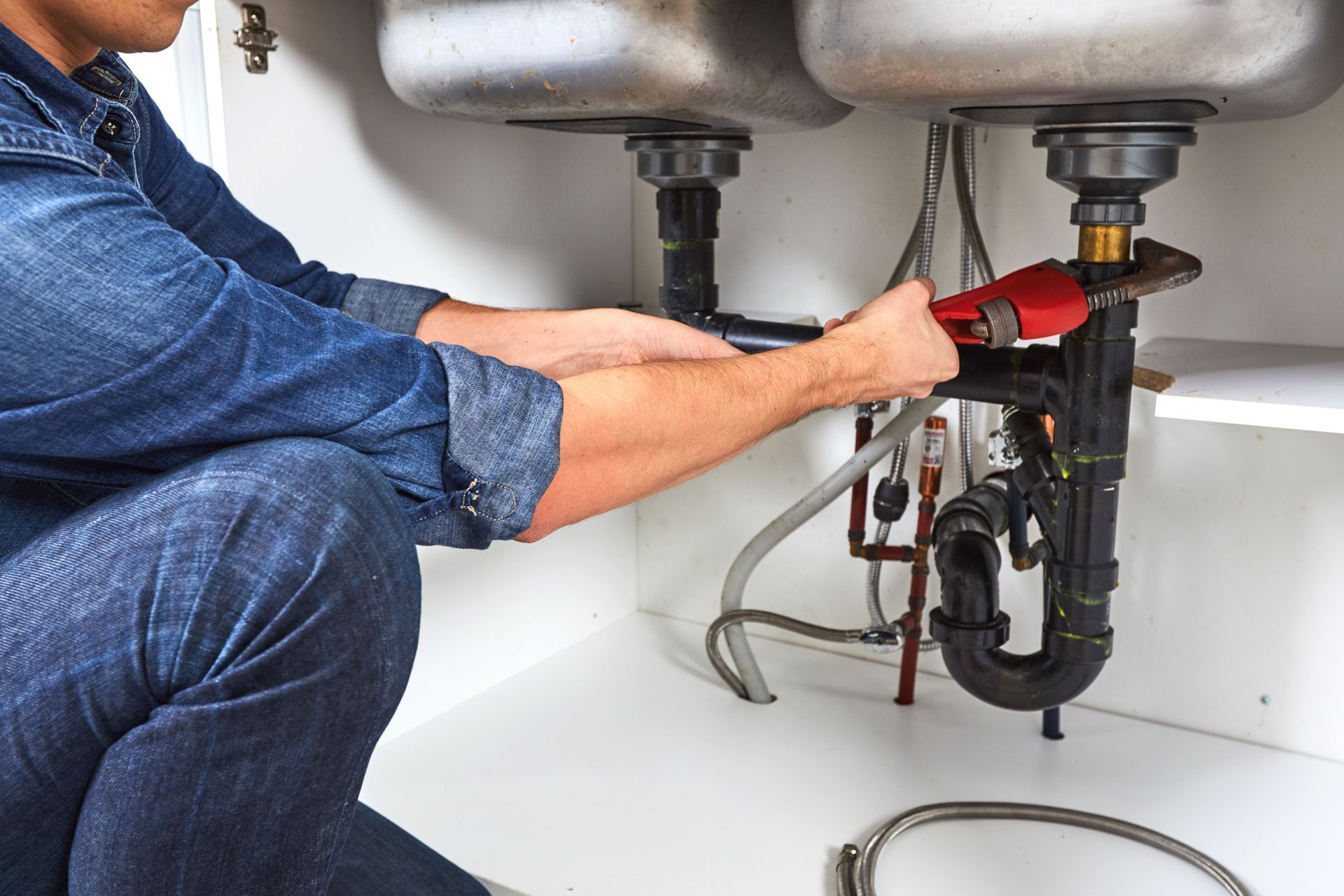
Person using a wrench to work on plumbing under a kitchen sink.
February 13, 2024
Are you experiencing plumbing issues? Read more to identify the signs you need to call a professional plumbing contractor.
Bright white kitchen with a wooden island, stainless steel appliances, and gray walls.
September 27, 2022
A leaking refrigerator can feel like a drastic enough situation that you may think it's time to shop for a new fridge. But a leaking refrigerator doesn't necessarily mean that your fridge is on its way out .
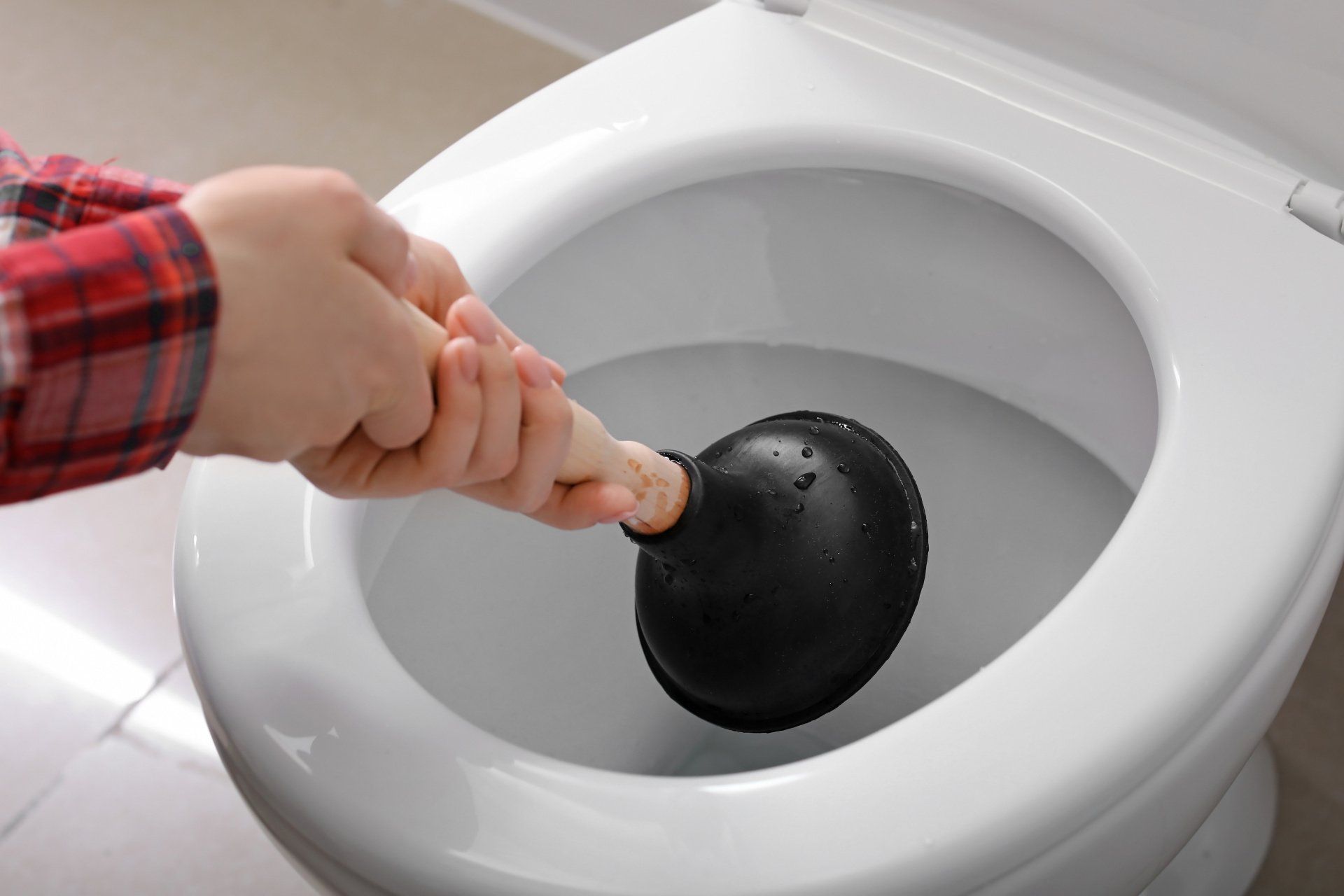
Person plunging a white toilet with a black plunger.
September 27, 2022
An overflowing toilet is a relatively common problem that many people have had to deal with, but the commonality of this issue doesn't mean that it isn't a serious situation that needs to be handled quickly. The water from an overflowing toilet can soak into wood cabinetry, seep into the walls, or damage the floorboards, making it easier for mold, mildew, and rot to spread throughout the infrastructure of your home.
Hand turning dial on a washing machine, tools and level on shelf above.
September 27, 2022
A washing machine is an essential appliance to ensure that towels, linens, clothes, and bedding are regularly washed and sanitized. Whether you use a professional cleaner to launder your clothes, take laundry to a local laundromat, or use a personal washing machine in the comfort of your home, it's necessary for your personal hygiene to have clean clothes to wear to school, work, or when you meet up with friends.
Plumbing tools: shower head, faucet, valves, hoses, and sealing materials on a dark gray surface.
July 12, 2022
On the side or top of your water heater tank is a valve connected to a metal or plastic discharge tube pointing downward. The valve is called a T&P valve, or TPR valve, for "temperature and pressure relief."
Basement with white brick walls, open doors, water heater, and various pipes.
July 12, 2022
Boilers and water heaters are important to the heating and water supply operations of the home. While they provide different services to the house—one for space heating , the other for domestic water usage—there is some slight overlap in the form of combined boiler/heater devices.
Empty room with brick walls, two windows, and a shiny, wet concrete floor.
March 29, 2022
Most of the time, your home’s sump pump works efficiently and invisibly in the background. In areas with much groundwater, the sump pump's regular on and off sounds merge with the tapestry of your home life.

Show More