July 12, 2021

How to Use a Toilet Auger

Author

Update First Last in Content -> Business Text -> First Last field

Date

July 12, 2021

Share

When a toilet becomes clogged, the first course of action is to try using a  toilet plunger . This tool is similar to a standard cup-style plunger used on an ordinary sink, tub, or shower drain, but it has a center flange that allows you to seal the tool against the drain opening in the toilet for plunging. Very often this tool alone will free whatever clog is causing the problem. 


What to Do if the Plunger Doesn't Work

When a plunger is not enough to clear a  clogged toilet , the next option is a toilet auger—sometimes called a closet auger, named for an old term for toilet, the water closet. Like a standard  drain snake , the toilet auger has a cable that rotates by a handle. But this tool is specially designed for toilets, with a hollow tube attached to an elbow fitting covered by a rubber sleeve that protects the toilet bowl from scratches.


What Is a Drain Snake?

A drain snake, or plumber's snake, generally consists of thin and flexible coiled wires that can be rotated to break through clogs.


It is certainly possible to clear a toilet clog with an ordinary drain snake, but all too often you will leave disfiguring scratches in the bottom of the bowl. A drain auger, on the other hand, will not scratch the porcelain of your toilet.


The flexible cable in a toilet auger is fed through the toilet drain using a hand crank, and the sturdy head of the cable is designed to dislodge tough clogs. This tool is not suitable for any other type of work. But considering that toilet clogs are by far the most common plumbing problem you will encounter, it is a tool worth owning. 


Tools and Materials You Will Need

  • Toilet auger
  • Gloves


Instructions

If this  process doesn't do the trick , you may have a clog that lies even farther into the branch drain or even into the plumbing soil stack. You'll need to look for another location to unclog the drain, such as a branch clean-out fitting (a job that calls for a drain snake), or  call a plumber  to tackle the job. 


But it's very unlikely you'll have to go to the next level. In the vast majority of cases, the toilet auger will do the trick. 


1.) Insert the Toilet Auger Cable

Pull the auger handle up all the way so that the end of the cable is close to the bottom curved end of the auger tube. This curved elbow portion will make feeding the cable into the toilet easier, and the rubber or plastic covering will protect the toilet from scratches.

  • When properly inserted, you should not be able to see the end of the auger cable; you will see only the housing.
  • Always use a pair of gloves when handling the toilet auger cable.


2.) Crank the Handle to Auger the Cable Into the Clog

The toilet auger, like any drain snake, works by rotating the cable so it moves into the drain opening by a screwing action. In the case of toilets, most clogs occur in the first section of the drain, in the trap configuration built into the porcelain body of the toilet. The toilet auger has enough cable to reach past the toilet, sometimes as far as the main soil stack. But if the clog lies beyond that point, such as in the main sewer line, you will need a different solution. 


Use one hand to hold the toilet auger housing and keep it in place.


With the other hand on the handle, crank the auger to gently work the cable into the toilet drain. Work slowly and patiently, because too much force can cause the cable to double back on itself rather than move through the drain. 


To get the cable all the way into the toilet, you may need to reverse the direction of the cranking motion a couple of times.


Crank in one direction until the cable will feed no further, then switch to the other direction and continue to gradually feed the cable until the auger handle is tight against the top of the auger tube. Rotate the cable several times once it has reached its full extension. You may well feel the cable reach the clog, evident by the resistance. 


Once the cable has forced through the clog, pull the toilet auger out of the toilet by rotating the handle and pulling backward. 


With the cable removed, flush the toilet to see if the clog has disappeared. In most cases, the clog now flushes onward through the toilet and into the drain system. Flush the toilet several times to make sure it has cleared completely.


Repeat the snaking process, if necessary. When finished, wipe the auger cable dry (it may rust otherwise), and store it away. 


So urce: https://www.thespruce.com/how-to-use-a-toilet-auger-2719038

Chrome bathroom faucet with running water into a white sink.
October 17, 2025
Protect your older home’s charm and efficiency with expert plumbing contractors. Tim Rausch Plumbing LLC modernizes systems while preserving history.
Plumber repairs a bathroom sink, using a wrench.
June 17, 2025
If you have a plumbing inspection coming up, here's what you need to do to plan before your local plumbing contractor visits your home.
Plumber with wrench fixing a leaky pipe under a sink. Water is spraying.
July 22, 2024
When we ignore issues that need plumbing service, they often get to be much larger than what they originally were. Read on for what can happen!
Person using a wrench to work on plumbing under a kitchen sink.
February 13, 2024
Are you experiencing plumbing issues? Read more to identify the signs you need to call a professional plumbing contractor.
Bright white kitchen with a wooden island, stainless steel appliances, and gray walls.
September 27, 2022
A leaking refrigerator can feel like a drastic enough situation that you may think it's time to shop for a new fridge. But a leaking refrigerator doesn't necessarily mean that your fridge is on its way out .
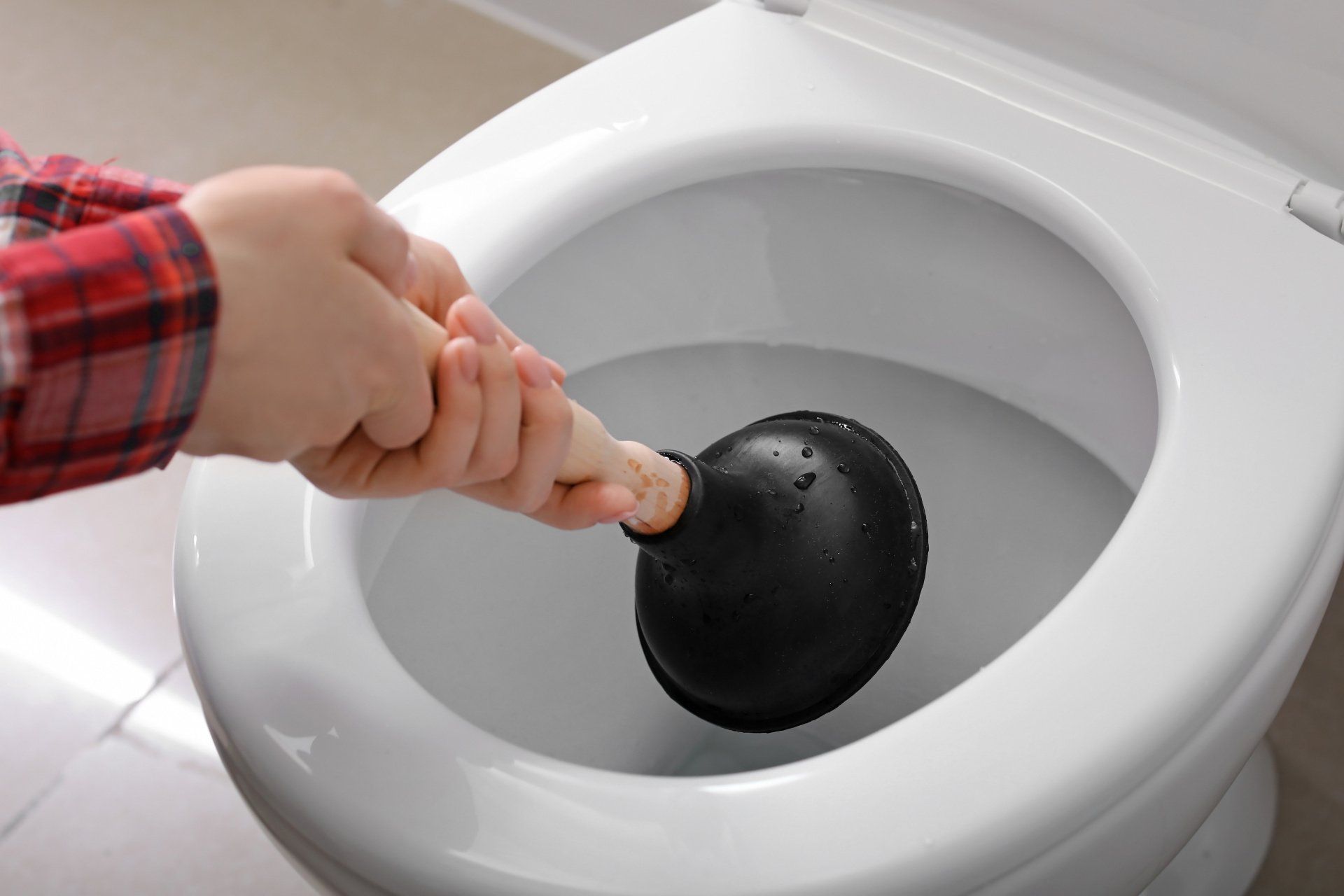
Person plunging a white toilet with a black plunger.
September 27, 2022
An overflowing toilet is a relatively common problem that many people have had to deal with, but the commonality of this issue doesn't mean that it isn't a serious situation that needs to be handled quickly. The water from an overflowing toilet can soak into wood cabinetry, seep into the walls, or damage the floorboards, making it easier for mold, mildew, and rot to spread throughout the infrastructure of your home.
Hand turning dial on a washing machine, tools and level on shelf above.
September 27, 2022
A washing machine is an essential appliance to ensure that towels, linens, clothes, and bedding are regularly washed and sanitized. Whether you use a professional cleaner to launder your clothes, take laundry to a local laundromat, or use a personal washing machine in the comfort of your home, it's necessary for your personal hygiene to have clean clothes to wear to school, work, or when you meet up with friends.
Plumbing tools: shower head, faucet, valves, hoses, and sealing materials on a dark gray surface.
July 12, 2022
On the side or top of your water heater tank is a valve connected to a metal or plastic discharge tube pointing downward. The valve is called a T&P valve, or TPR valve, for "temperature and pressure relief."
Basement with white brick walls, open doors, water heater, and various pipes.
July 12, 2022
Boilers and water heaters are important to the heating and water supply operations of the home. While they provide different services to the house—one for space heating , the other for domestic water usage—there is some slight overlap in the form of combined boiler/heater devices.
Empty room with brick walls, two windows, and a shiny, wet concrete floor.
March 29, 2022
Most of the time, your home’s sump pump works efficiently and invisibly in the background. In areas with much groundwater, the sump pump's regular on and off sounds merge with the tapestry of your home life.

Show More