
August 24, 2021

How to Remove a Bathtub Drain

Author

Update First Last in Content -> Business Text -> First Last field

Date

August 24, 2021

Share

If you’re looking to replace an old bathtub drain, it’s not difficult to do the job yourself. Read these steps to learn more.

Requiring only a few tools, replacing a bathtub drain is a fairly simple job that virtually anyone can do. To begin, you’ll need the following items on hand:

Steps to Remove a Bathtub Drain

Step 1: Identify the stopper

There are many types of  bathtub stoppers . Three common models that don’t rely on a trip lever mechanism are the toe-touch, the push-pull, and the lift-and-turn. The toe-touch stopper pops open and shut when you press on it. The push-pull features a center knob that you push in to close or pull out to open. Finally, the lift-and-turn resembles the push-pull, but it requires you to lift and turn the stopper (clockwise to close, counterclockwise to open).
If your stopper is connected to a trip lever mechanism, it’s either a pop-up model or plunger-style (also known as a bucket stopper). The pop-up typically features a visible stopper that’s raised or lowered by the trip lever, while the plunger relies on an internal stopper to block the water when the lever is activated; in those setups, the drain is typically covered by a screen or strainer.

Step 2: Remove the stopper

Toe-touch stoppers are relatively easy to remove—just pop open the stopper and unscrew the shaft cylinder by turning it counterclockwise.
To remove a push-pull stopper, set it in the open position and turn the knob counterclockwise with one hand while holding the body of the stopper in the other. For increased leverage, hold onto the body with a towel and use a pair of pliers to turn the knob.
For the lift-and-turn, set the drain to open. Hold the body of the stopper and turn the knob to look for a set screw on the knob. If there is one, unscrew it using a screwdriver or hex key.
Turn the stopper counterclockwise until it’s free from the mounting post, and then remove the mounting post with pliers. For a pop-up stopper, flip the lever to open the drain and pull the stopper straight up along with the metal (“rocker”) arm that extends through the drainpipe. If it doesn’t come out easily, jiggle it gently as you pull up.
The stopper of the plunger-style setup is found inside the drainpipe, not near the drain opening.
To take it out, remove the screws from the faceplate of the trip lever, then carefully pull the faceplate away. The rest of the hardware should follow; jiggle as necessary to loosen the entire structure and pull it out.
If there’s a screen or strainer in the bathtub, pry it off with a flathead screwdriver (removing any screws first).

Step 3: Soften the plumber’s putty

Most drains will have been fitted during installation with plumber’s putty that’s now hardened.
Soften it with a hairdryer or heat gun, applying hot air directly into the drain for a few minutes. The putty should give way, releasing its grip on the drain fitting.

Step 4: Remove the drain fitting

Most drain fittings feature a metal “X” that keeps objects from falling in. If your drain fitting has these crossbars, insert a drain wrench into the cross shape and turn counterclockwise to unscrew it. (There are two ends to the wrench; use the side that offers the best fit.)
You can also try using a pair of needle-nose pliers to grip the X and unscrew the drain fitting. It should be loose enough after a few rotations to be unscrewed the rest of the way by hand. Then just pull it out.  If your drain fitting doesn’t have metal crossbars, you’ll need to remove it with a  tub drain extractor  that’s designed to grip the inside walls of the drain fitting.
Source: https://www.thisoldhouse.com/plumbing/22407616/how-to-remove-bathtub-drain

Chrome bathroom faucet with running water into a white sink.
October 17, 2025
Protect your older home’s charm and efficiency with expert plumbing contractors. Tim Rausch Plumbing LLC modernizes systems while preserving history.
Plumber repairs a bathroom sink, using a wrench.
June 17, 2025
If you have a plumbing inspection coming up, here's what you need to do to plan before your local plumbing contractor visits your home.
Plumber with wrench fixing a leaky pipe under a sink. Water is spraying.
July 22, 2024
When we ignore issues that need plumbing service, they often get to be much larger than what they originally were. Read on for what can happen!
Person using a wrench to work on plumbing under a kitchen sink.
February 13, 2024
Are you experiencing plumbing issues? Read more to identify the signs you need to call a professional plumbing contractor.
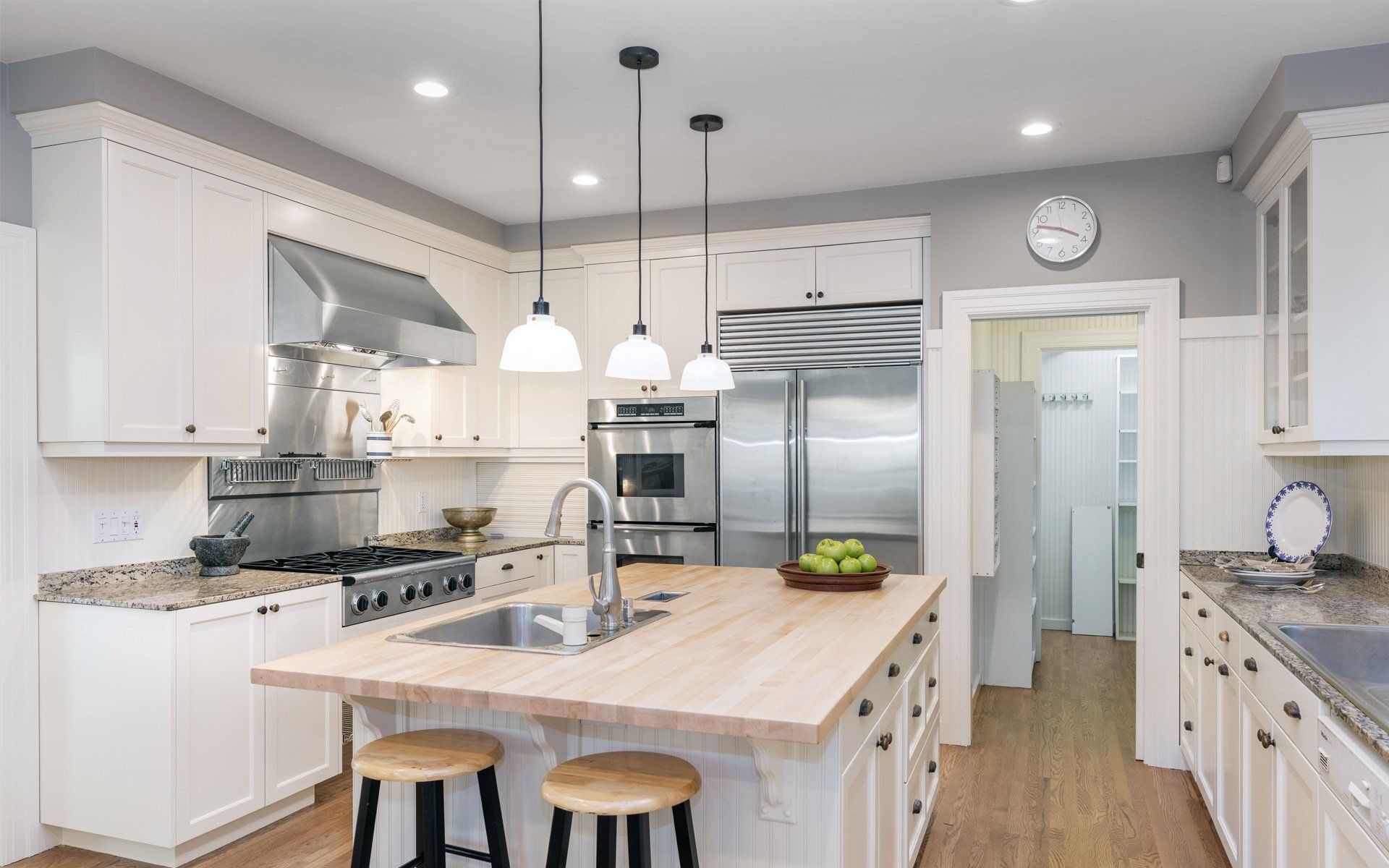
Bright white kitchen with a wooden island, stainless steel appliances, and gray walls.
September 27, 2022
A leaking refrigerator can feel like a drastic enough situation that you may think it's time to shop for a new fridge. But a leaking refrigerator doesn't necessarily mean that your fridge is on its way out .
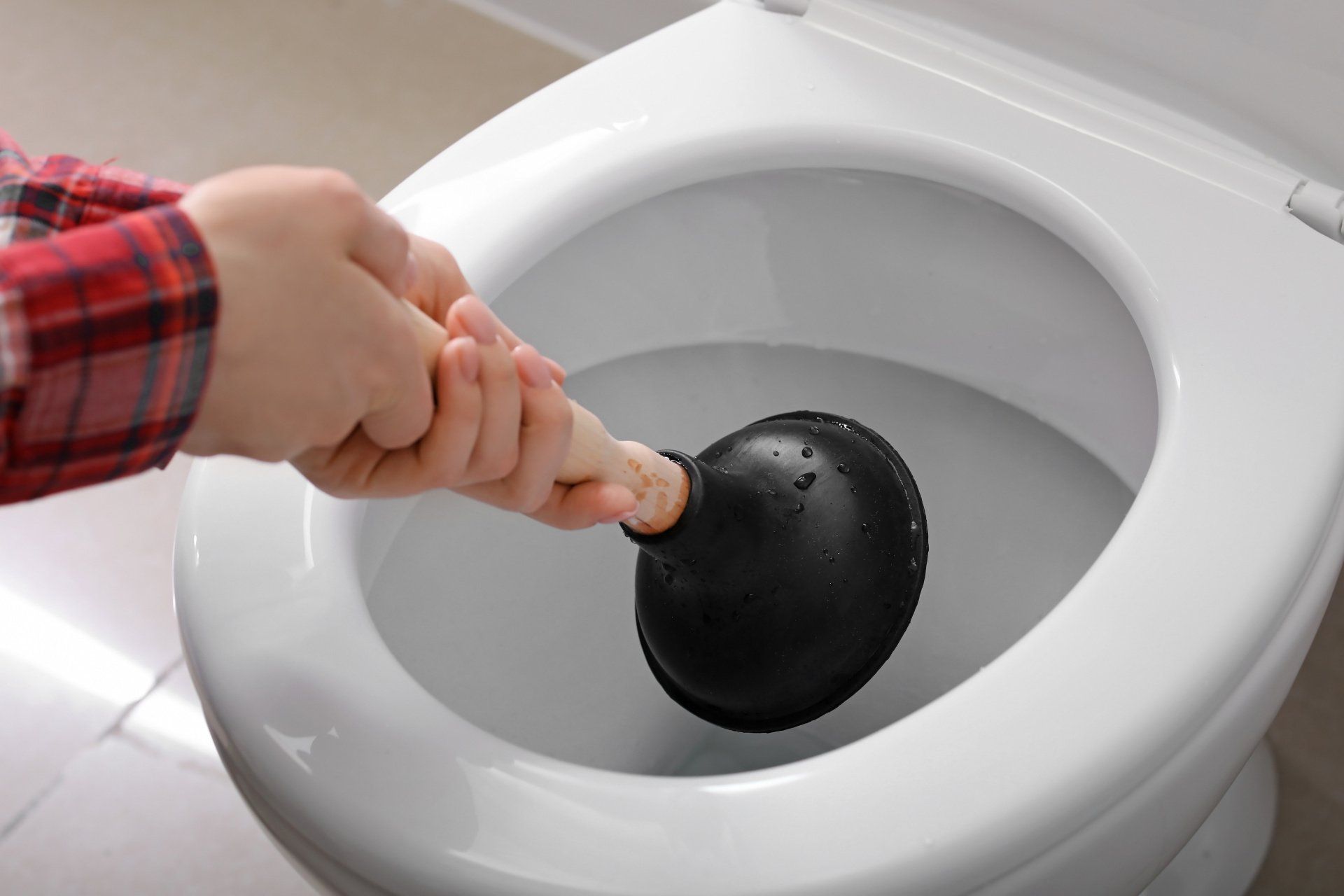
Person plunging a white toilet with a black plunger.
September 27, 2022
An overflowing toilet is a relatively common problem that many people have had to deal with, but the commonality of this issue doesn't mean that it isn't a serious situation that needs to be handled quickly. The water from an overflowing toilet can soak into wood cabinetry, seep into the walls, or damage the floorboards, making it easier for mold, mildew, and rot to spread throughout the infrastructure of your home.
Hand turning dial on a washing machine, tools and level on shelf above.
September 27, 2022
A washing machine is an essential appliance to ensure that towels, linens, clothes, and bedding are regularly washed and sanitized. Whether you use a professional cleaner to launder your clothes, take laundry to a local laundromat, or use a personal washing machine in the comfort of your home, it's necessary for your personal hygiene to have clean clothes to wear to school, work, or when you meet up with friends.
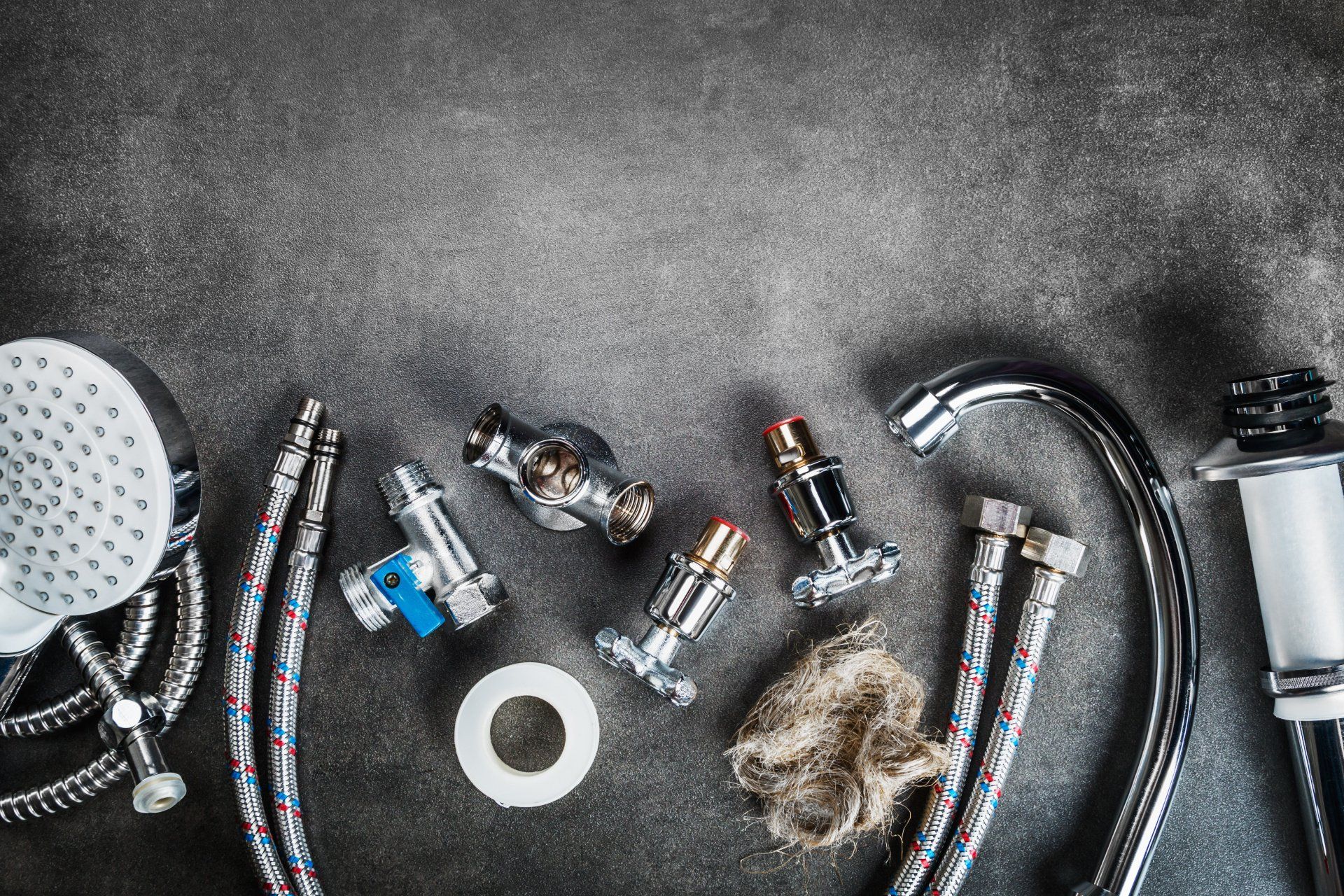
Plumbing tools: shower head, faucet, valves, hoses, and sealing materials on a dark gray surface.
July 12, 2022
On the side or top of your water heater tank is a valve connected to a metal or plastic discharge tube pointing downward. The valve is called a T&P valve, or TPR valve, for "temperature and pressure relief."
Basement with white brick walls, open doors, water heater, and various pipes.
July 12, 2022
Boilers and water heaters are important to the heating and water supply operations of the home. While they provide different services to the house—one for space heating , the other for domestic water usage—there is some slight overlap in the form of combined boiler/heater devices.
Empty room with brick walls, two windows, and a shiny, wet concrete floor.
March 29, 2022
Most of the time, your home’s sump pump works efficiently and invisibly in the background. In areas with much groundwater, the sump pump's regular on and off sounds merge with the tapestry of your home life.

Show More